
 1 month ago
25
1 month ago
25
A federal court has ruled that President Trump’s 10% tariff on most imports entering the United States is unlawful. The Court of International Trade, in a 2-1 decision, found that the administration failed to demonstrate the kind of balance-of-payments crisis needed to justify the levies.
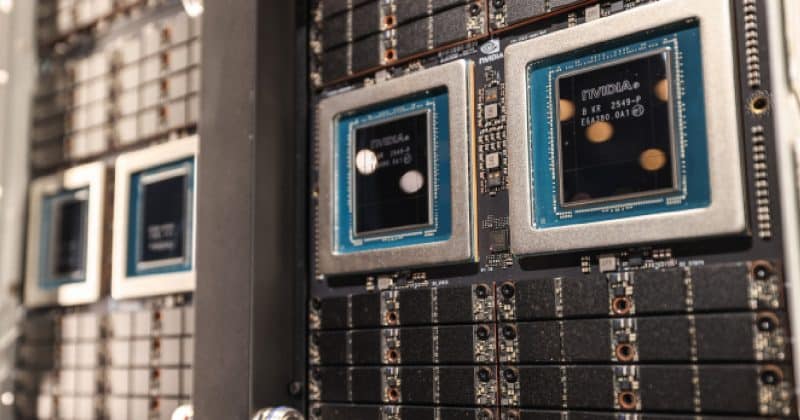
For crypto, the ruling matters more than you might think. US-based Bitcoin miners have been eating inflated hardware costs for years thanks to tariffs on imported ASIC machines, and a potential rollback could meaningfully change their cost structure.
What the court actually said
The 53-page ruling hinged on a technical but important distinction. The Trump administration had invoked Section 122 of the Trade Act to impose tariffs, arguing that trade deficits and current account deficits qualified as the “balance-of-payments deficits” the statute requires.
The court disagreed. The law allows emergency tariffs on imports when the country is running out of foreign currency reserves to pay its international bills. A trade deficit, where you import more goods than you export, is not the same thing. The judges found no such payments crisis existed.
The ruling grants injunctions and refunds, but only to a narrow set of plaintiffs: the state of Washington, a spice company called Burlap and Barrel, and a small toy business. Broader claims brought by other states were dismissed for lack of standing, meaning the decision avoids becoming a universal injunction that would block the tariffs for everyone.
This is the second time courts have knocked down Trump’s tariff framework. The Supreme Court issued a 6-3 ruling earlier in 2026 that blocked tariffs imposed under the International Emergency Economic Powers Act (IEEPA). Now Section 122 has also been rejected.
The Department of Justice has already appealed the decision. The tariffs themselves are set to expire in late July unless the administration takes further action to extend or replace them.
Why Bitcoin miners are watching closely
During the 2018 tariff cycle, ASIC costs for US miners rose by an estimated 20-30%. For operations spending tens of millions on hardware refreshes, it’s the difference between profitable expansion and treading water.
The prospect of tariff rollbacks, or at least refunds for affected importers, sent a signal to public mining stocks. CleanSpark, one of the larger US-based mining firms, saw its shares climb roughly 4% following news of the ruling. The logic is straightforward: cheaper hardware means lower break-even costs, which means better margins at any given Bitcoin price.
Beyond individual stock moves, the broader supply chain for mining equipment has been operating under strain. Tariffs created bottlenecks as importers tried to time purchases, reroute shipments through third countries, or simply absorb the added cost.
The bigger trade policy picture
The IEEPA-based tariffs got struck down. The Section 122 tariffs just got struck down. The administration is running out of legal mechanisms to impose broad import duties without Congressional authorization.
The mining sector’s geographic distribution has been shifting toward the US since China’s 2021 crackdown, and the cost of doing business in America, including import duties on essential hardware, directly affects whether that trend continues or reverses.
If tariffs stay dead and refunds materialize for qualifying plaintiffs, expect other importers to file similar claims. The narrow scope of the current ruling limits its immediate impact, but it establishes the legal reasoning that future challengers will cite.
The DOJ appeal could take months. The tariffs expire in late July regardless. Mining firms planning large hardware purchases in the second half of 2026 are essentially placing a bet on which scenario plays out: a clean resolution that lowers costs, or a prolonged legal battle that maintains uncertainty.
Disclosure: This article was edited by Editorial Team. For more information on how we create and review content, see our Editorial Policy.










 English (US) ·