
 1 hour ago
1
1 hour ago
1
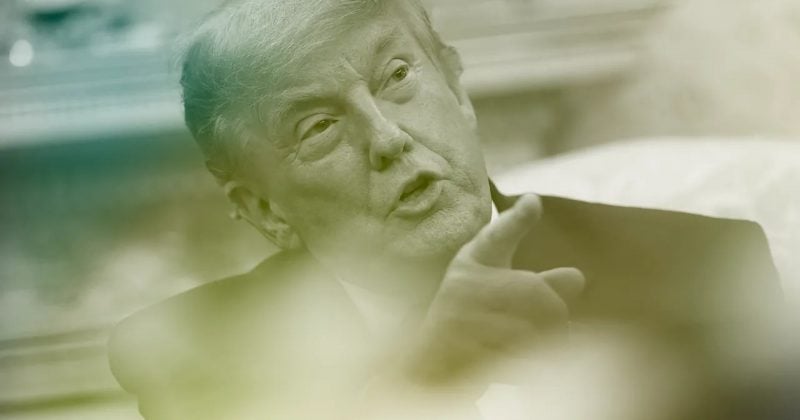
President Donald Trump announced that the ceasefire between the United States and Iran is officially over, warning Tehran of retaliation if it targets American interests. The declaration, made during the NATO summit in Ankara on July 8, immediately rippled through global financial markets, with Bitcoin dropping more than 3% to trade around the $61,500 level.
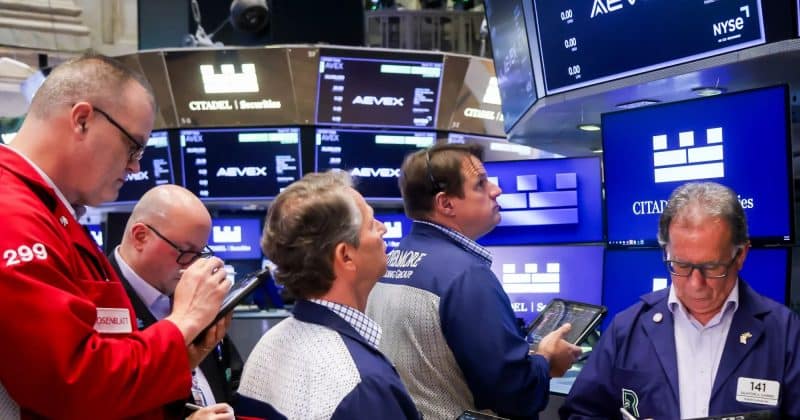
The broader crypto market followed suit. The CoinDesk 20 Index fell approximately 2.9%, confirming what traders already suspected: geopolitical risk is still the single fastest catalyst for crypto sell-offs.
What happened and why it matters
Trump’s announcement came after the US launched retaliatory airstrikes against Iranian targets. Those strikes were a response to Iranian aggression against commercial vessels in the Strait of Hormuz, one of the most strategically important shipping chokepoints on the planet.
Roughly 20% of the world’s oil passes through the Strait of Hormuz on any given day. When someone starts shooting near it, markets notice.
Iran responded to the US airstrikes with threats of a “crushing response” and claimed it would target American interests across the region. Trump, for his part, didn’t close the door on diplomacy entirely. He indicated that discussions with Iran would continue even as the ceasefire collapsed.
The ceasefire that just ended was itself a product of months of painstaking negotiation. It followed the so-called Twelve-Day War in June 2025, a rapid escalation that drew in multiple mediators, including Pakistan. Both sides had been accused of violations throughout 2026, with retaliatory hostilities chipping away at whatever goodwill the original agreement had established.
The crypto market reaction
Bitcoin’s slide to approximately $61,500 represents one of the sharper single-day geopolitical reactions in recent months. The CoinDesk 20 Index declining roughly 2.9% shows the damage wasn’t confined to Bitcoin alone. Altcoins tracked the move lower, which is typical during macro-driven sell-offs where correlation across risk assets spikes toward one.
What this means for investors
For traders running leveraged positions, the speed of the move was a reminder that overnight risk in crypto doesn’t just come from protocol exploits or regulatory surprises. Sometimes it comes from a press conference at a NATO summit.
Traders should be watching three things closely. First, any further military action near the Strait of Hormuz, which would intensify the oil-inflation-liquidity chain reaction. Second, Iran’s actual response versus its rhetorical threats, because the gap between the two will determine how seriously markets price in further escalation. Third, Bitcoin’s ability to hold the $60,000 level, which has served as a psychological and technical support zone. A break below that would likely trigger a broader cascade of liquidations across crypto derivatives markets.
Disclosure: This article was edited by Editorial Team. For more information on how we create and review content, see our Editorial Policy.












 English (US) ·