
 1 hour ago
2
1 hour ago
2
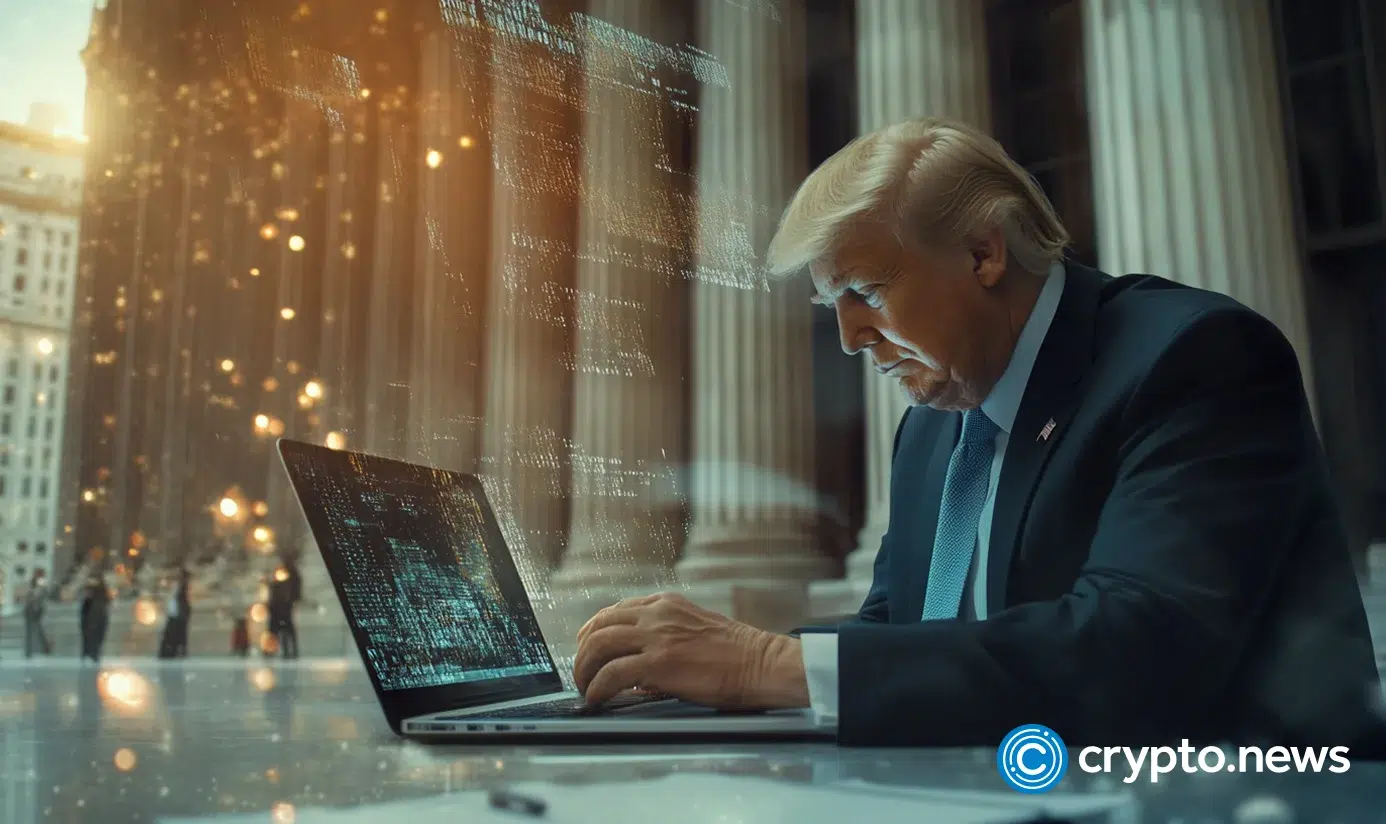
President Donald Trump picked up the phone and called David Sanger, the New York Times national security correspondent who has covered Iran’s nuclear ambitions for more than two decades. The timing was deliberate: the call came on or around June 14, 2026, just before the administration publicly unveiled a framework agreement with Iran.
The message Trump delivered was characteristically blunt. If Iran delays nuclear negotiations, military action could resume.
What the framework actually does
The agreement, announced late Sunday on June 14-15, is not a nuclear deal. It is, more precisely, a deal to stop shooting and reopen a shipping lane.
Under the framework, US-Israeli military operations against Iran conclude. In exchange, Iran lifts its blockade of the Strait of Hormuz, one of the most strategically significant chokepoints in global energy markets. Roughly a fifth of the world’s oil passes through that narrow waterway on any given day.
The hard part, the nuclear questions, gets pushed down the road. Enrichment limits, stockpile caps, and the broader architecture of any lasting nonproliferation agreement are all deferred to future negotiations. Those talks could stretch 60 days or longer.
A formal signing is scheduled for June 19 in Switzerland. That gives both governments roughly four days to avoid doing anything that blows up the arrangement before ink hits paper.
Why Trump called Sanger
Sanger is not a random byline. He has reported on Iran’s nuclear program for over 20 years, covering everything from the original revelations about Iran’s secret enrichment facilities to the 2015 Joint Comprehensive Plan of Action under Obama. His reporting carries weight in foreign policy circles, and a call from the president effectively signals to international audiences, including Tehran, that the White House is serious about this framework.
Trump’s warning that military escalation could restart if Iran stalls is not the kind of language you bury in a press release. Delivering it through a respected journalist ensures it gets treated as credible rather than performative. The implicit message to Iranian negotiators: the 60-day clock is real, and the consequences of running it out are not theoretical.
The JCPOA shadow
Any US-Iran agreement exists in the shadow of what came before. Trump withdrew the United States from the 2015 JCPOA during his first term, reimposing sanctions and effectively killing the deal that had placed verifiable limits on Iran’s nuclear program.
That withdrawal set off a chain of escalation. Iran gradually increased its enrichment levels, reduced cooperation with international inspectors, and expanded its stockpile of enriched uranium. The situation deteriorated further into the military confrontation that this new framework is designed to pause.
The JCPOA involved not just the US and Iran but also China, Russia, France, the UK, and Germany. This new framework appears to be a bilateral arrangement focused on immediate de-escalation rather than comprehensive nonproliferation.
The 60-day deferral on nuclear issues is the clearest sign of how fragile this arrangement may be. Both sides are essentially agreeing that they cannot agree on the most important questions yet, while hoping that a ceasefire and restored shipping access create enough goodwill to make progress later.
What this means for investors
The most immediate market impact runs through energy. The Strait of Hormuz blockade has been a significant disruption to global oil supply chains, and its reopening should relieve some of the pressure on crude prices.
No element of the framework touches digital assets, blockchain infrastructure, or cryptocurrency regulation. Should the framework lead to improved regional stability, it could potentially foster an environment conducive to investment in emerging technologies, including blockchain, but no direct link to cryptocurrencies has been articulated in the current reporting.
The June 19 signing in Switzerland is the next concrete milestone. If both sides show up and sign, markets will likely interpret it as a genuine, if temporary, reduction in Middle East risk.
Disclosure: This article was edited by Editorial Team. For more information on how we create and review content, see our Editorial Policy.







 English (US) ·