
 1 month ago
29
1 month ago
29
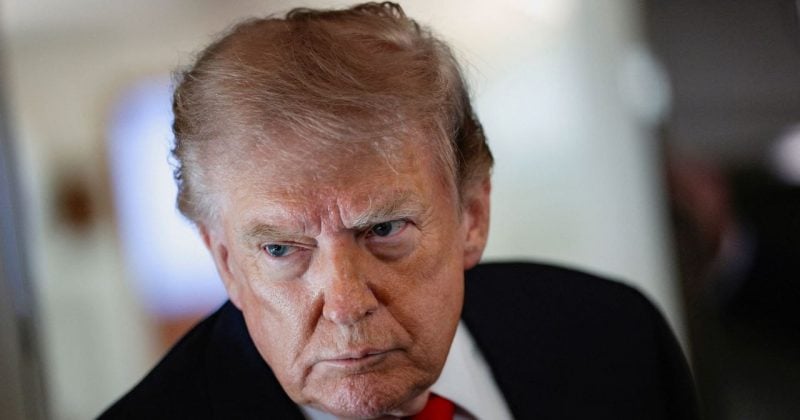
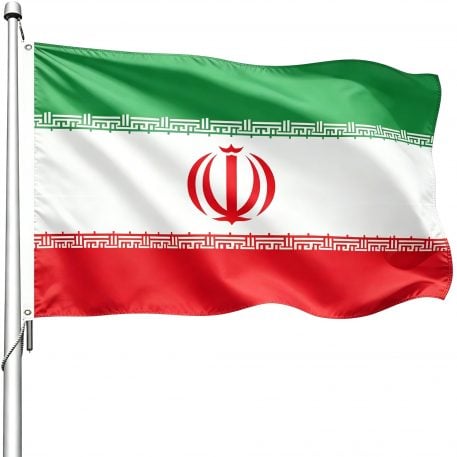
President Donald Trump declared the newly announced US-Iran framework agreement a “very strong” deal, expressing hope that Iran would follow through on its commitments while leaving little ambiguity about what happens if it doesn’t: the process starts over.
The preliminary pact, announced in mid-June 2026, is designed to de-escalate tensions that have been simmering since late February. Its most concrete provision is the reopening of the Strait of Hormuz within 30 days, a chokepoint that carries approximately 20% of the world’s oil supply. Markets noticed immediately.
What the deal actually includes
The deal emphasizes near-term confidence-building measures while deliberately deferring the thorniest issue on the table, Iran’s nuclear program.
The agreement includes benchmarks for sanctions relief and humanitarian provisions, though no direct US investment in Iran is part of the package. No major financial obligations fall on the US side either, which gives Washington significant leverage to negotiate further without having committed real capital.
Congressional review is baked into the process, meaning elected officials will get their say before anything becomes binding policy.
The reopening of the Strait of Hormuz is the headline deliverable. When roughly a fifth of global oil transits through a single waterway, keeping it open matters to every economy on the planet. Oil prices fell approximately 5% following the announcement.
Crypto’s geopolitical trade
Bitcoin surged past $66,000 in the wake of the deal’s announcement, with some reports indicating prices touched around $67,000. The move had nothing to do with blockchain technology and everything to do with macroeconomic sentiment.
The rally wasn’t limited to Bitcoin. Ethereum, Solana, XRP, and Dogecoin all posted gains as traders rotated into digital assets amid the broader de-escalation narrative. No Iran-specific tokens or crypto protocols played any role in the negotiations themselves.
The falling oil price adds another tailwind. Lower energy costs reduce inflationary pressure, which in turn makes it less likely that central banks tighten monetary policy.
What this means for investors
The deal doesn’t resolve Iran’s nuclear ambitions. It doesn’t commit either side to irreversible steps. And it still needs to survive congressional scrutiny.
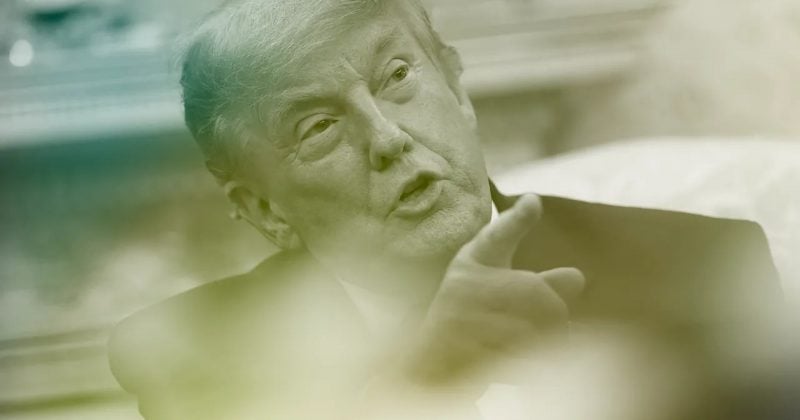
Trump’s own warning, that the process restarts if Iran doesn’t follow through, tells you everything about the fragility of the arrangement.
For traders, the playbook is straightforward but demanding. Monitor the congressional review process closely, because a hostile reception could inject fresh uncertainty. Watch oil prices for signs that the 5% drop is holding or reversing. And pay attention to any statements from Iranian officials that signal whether Tehran views this framework as a genuine path forward or a temporary tactical pause.
Disclosure: This article was edited by Editorial Team. For more information on how we create and review content, see our Editorial Policy.












 English (US) ·