
 1 hour ago
1
1 hour ago
1
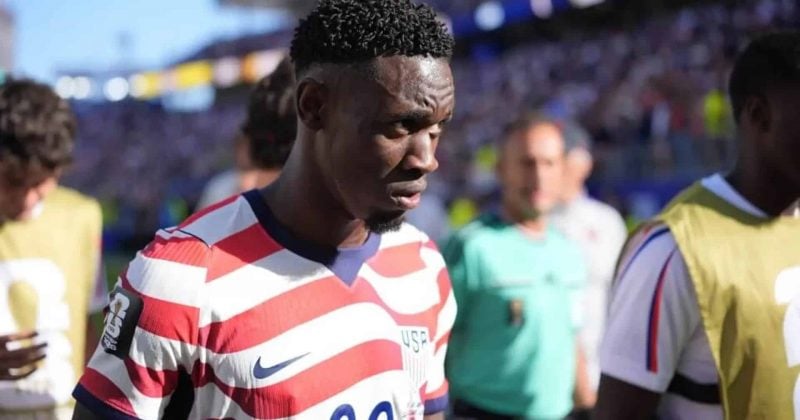
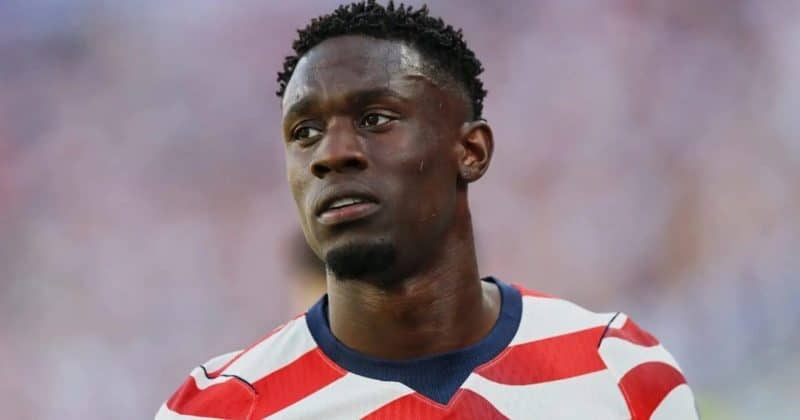
Look, there’s using the bully pulpit, and then there’s using it to referee a soccer match. President Trump personally called FIFA President Gianni Infantino to request a review of a red card issued to US men’s national team striker Folarin Balogun during the 2026 World Cup. And in a twist that has governance watchdogs and sports purists equally alarmed, it worked.
Balogun’s one-match suspension was modified to a one-year probation period, clearing him to play in the US round-of-16 matchup against Belgium. Belgium appealed to have Balogun barred from the match. That appeal was denied on July 6.
What happened on the pitch
The incident occurred during a round-of-32 match between the US and Bosnia and Herzegovina, which the US won 2-0. Balogun, who had scored three goals by that point in the tournament and was the top USMNT scorer, received a straight red card following a VAR review.
Trump disagreed. He called the original referee’s decision “horrible” and said it didn’t reflect Balogun’s performance in the tournament. So sometime between July 2 and 3, he picked up the phone and called Infantino directly.
Trump confirmed the call on July 6, the same day Belgium’s appeal to keep Balogun sidelined was rejected.
Why this matters beyond the pitch
FIFA has spent decades trying to position itself as an independent governing body, free from political interference. Its own statutes explicitly prohibit government meddling in the affairs of member federations. Countries whose governments interfere in football governance have historically faced suspension from international competition.
This situation flips that principle on its head. The host nation’s president directly lobbied the FIFA president for a favorable outcome for the host nation’s team. And he got it.
Sponsorship deals in global football are built on the assumption that outcomes are determined on the field, not in phone calls between heads of state and sports administrators. Companies that attach their brands to FIFA events are essentially buying credibility by association. Political interference, especially the kind that produces tangible results, erodes that credibility.
The crypto and markets angle
For investors in the sports media and entertainment space, this incident is a risk factor worth monitoring. Fan tokens, sports-related NFT platforms, and blockchain-based prediction markets all derive value from the perceived integrity of sporting events. Polymarket-style platforms that handle World Cup betting depend on outcomes being determined by established rules, not post-hoc political lobbying.
Balogun will play against Belgium. The US gets its top scorer back. And FIFA gets to explain how a phone call from a president somehow isn’t political interference in its supposedly independent disciplinary process.
Disclosure: This article was edited by Editorial Team. For more information on how we create and review content, see our Editorial Policy.





 English (US) ·