
 2 hours ago
3
2 hours ago
3
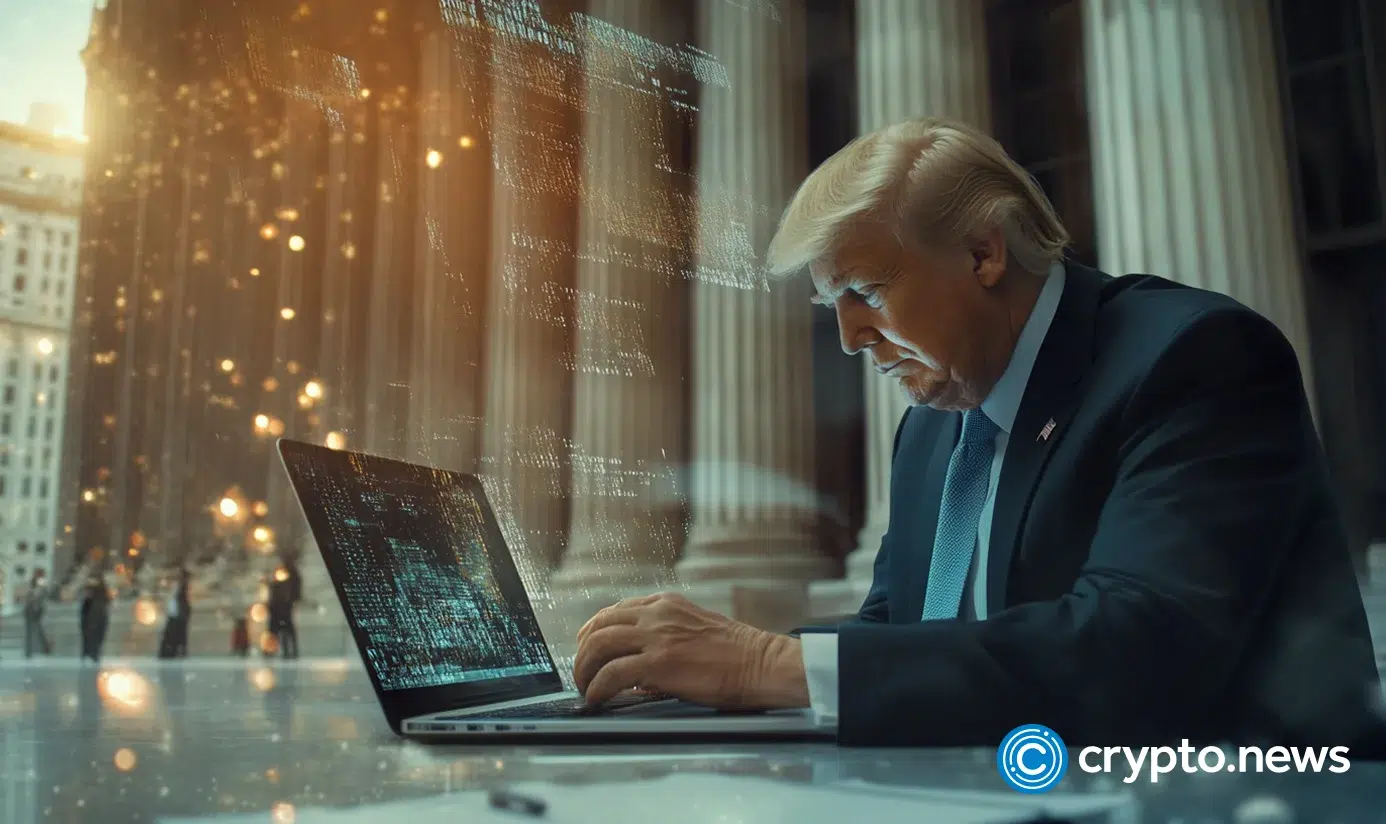
President Donald Trump touched down in Europe on June 15 for the G7 summit in Évian-les-Bains, France, carrying what might be his biggest geopolitical card yet: a freshly announced framework agreement with Iran that could end months of military conflict and reopen one of the world’s most critical shipping lanes.
Oil prices have already responded, falling to their lowest levels in nearly three months. Stock markets moved higher. The Strait of Hormuz, through which roughly a fifth of the world’s oil supply passes on any given day, is set to reopen for toll-free shipping starting June 19.
What the deal actually says
Trump unveiled the US-Iran framework agreement on June 14 via Truth Social, one day before departing for Europe. The core terms include lifting the US naval blockade on Iranian ports and restoring open passage through the Strait of Hormuz.
This is a memorandum of understanding, not a finalized treaty. The detailed provisions haven’t been fully disclosed, and the thorniest issue of all, Iran’s nuclear program, has been punted entirely. Both sides have agreed to a 60-day window for further negotiations.
Iran has already disputed aspects of the timeline that the US presented in its version of the framework.
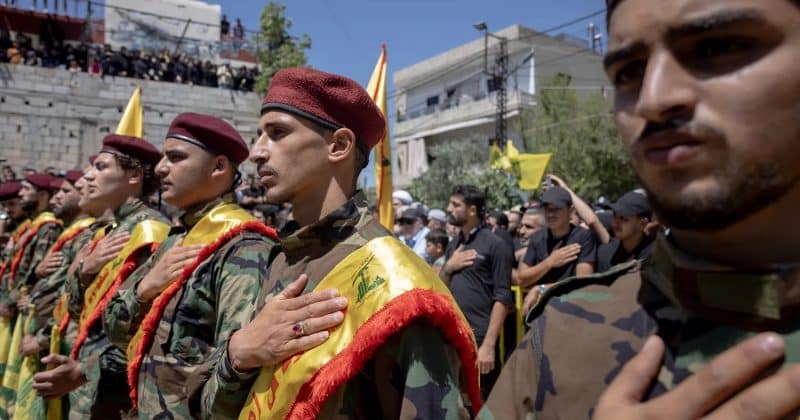
The military conflict that this deal aims to resolve began on February 28, 2026, when the US and Israel launched operations against Iran. The escalation disrupted shipping routes, spiked energy prices, and sent shockwaves through global markets for months.
The G7 agenda and what’s at stake
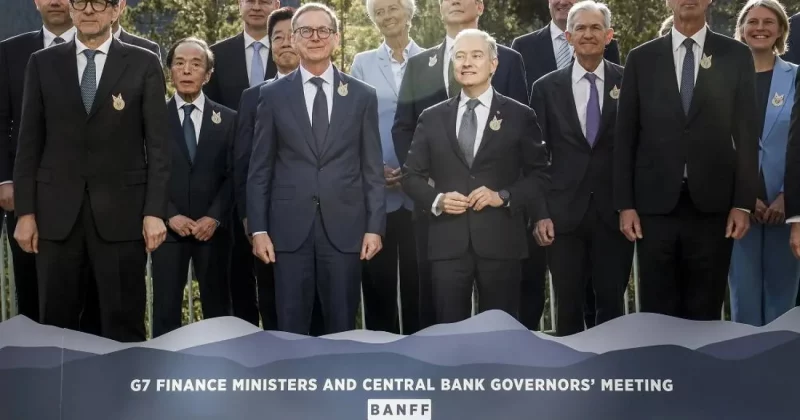
French President Emmanuel Macron is hosting the summit in Évian-les-Bains, situated near Geneva. The broader G7 agenda will include discussions around regional stability in the Middle East, support for Lebanon, and the still-unresolved questions about Iran’s nuclear and ballistic missile programs.
What this means for markets and crypto investors
Oil’s decline to three-month lows and the positive movement in equities reflect relief that the worst-case scenario, a prolonged naval blockade of one of the planet’s most important chokepoints, appears to be receding.
For crypto markets, lower energy costs reduce inflationary pressure, which in turn reduces the likelihood of hawkish central bank policy. The framework is preliminary, Iran is already pushing back on specific terms, nuclear issues remain entirely unaddressed, and the 60-day negotiation window introduces a defined period of uncertainty.
Oil-linked tokens and energy-focused DeFi protocols could see shifting sentiment as traders reassess the geopolitical risk premium that has been baked into energy prices since February. If the Strait of Hormuz reopens on schedule on June 19, that repricing could accelerate.
Disclosure: This article was edited by Editorial Team. For more information on how we create and review content, see our Editorial Policy.








 English (US) ·