
 1 hour ago
2
1 hour ago
2
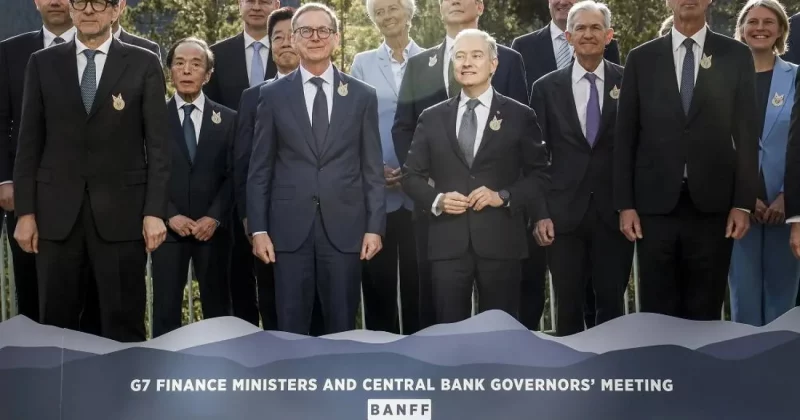
President Donald Trump used the G7 summit in Évian-les-Bains, France, to announce what he described as a clear commitment from Iran: no nuclear weapons. The memorandum of understanding, revealed on June 16, contains language Trump characterized as unequivocal on the subject of Iran’s nuclear ambitions.
The document is a single page with 14 points, a framework designed to guide detailed talks that are expected to follow in the coming days and weeks.
What the memorandum actually says, and what it doesn’t
Trump emphasized that the MOU explicitly states Iran will not acquire or possess nuclear weapons. He also warned of severe consequences should Tehran pursue nuclear arms capability.
The full text of the memorandum has not been released. Trump indicated plans to publish it in a formal setting, with a signing ceremony expected in Geneva potentially by June 19.
US envoys Steve Witkoff and Jared Kushner were involved in the negotiations leading to this point.
Iran’s official response to the announcement remains unclear.
The longer history behind this moment
The 2018 withdrawal from the Joint Comprehensive Plan of Action set the stage for years of escalating tensions and maximum pressure campaigns.
In February 2025, Trump signed a National Security Presidential Memorandum specifically focused on denying Iran all pathways to nuclear weapons.
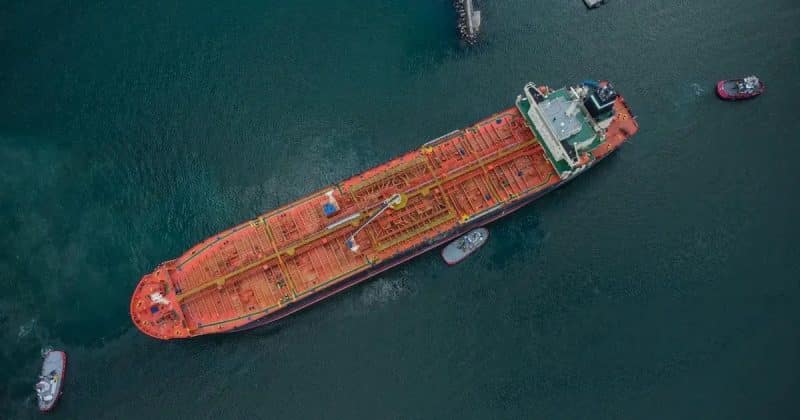
The current negotiations are broader than just the nuclear question. They also aim to resolve a regional conflict, restore shipping through the Strait of Hormuz, and establish a framework for future discussions. Roughly one-fifth of the world’s oil supply passes through that narrow waterway.
What this means for markets and investors
The Strait of Hormuz is the world’s most important oil chokepoint, and any diplomatic progress that reduces the risk of disruption there tends to put downward pressure on crude prices.
There is no mention of digital assets, blockchain technology, or cryptocurrency in any aspect of the memorandum or surrounding negotiations.
Traders monitoring this situation should watch for two things. First, whether the Geneva signing actually happens on schedule. Second, oil price reactions in the days following any formal signing would provide a real-time read on how markets are pricing the credibility of reduced Strait of Hormuz tensions.
Disclosure: This article was edited by Editorial Team. For more information on how we create and review content, see our Editorial Policy.





 English (US) ·