
 1 hour ago
3
1 hour ago
3
One day. That’s all it took for the semiconductor sector to go from celebration to carnage.
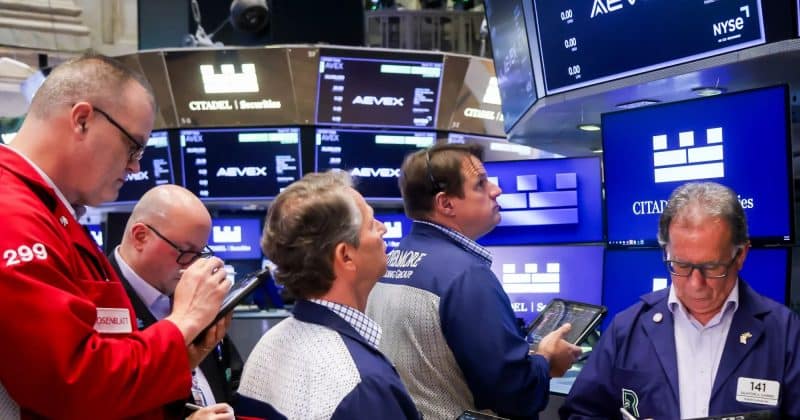
After hitting fresh all-time records, the sector reversed hard, dropping almost 7%. And traders, never ones to let a good crisis go to waste, piled into the Direxion Daily Semiconductor Bear 3X Shares (SOXS), a leveraged ETF designed to deliver triple the inverse daily return of the ICE/NYSE Semiconductor Index. Trading volume on June 22 surpassed 460 million shares, a staggering figure that underscores just how aggressively market participants are betting on further downside in chip stocks.
A $3.30 ticket to ride the bear
At a closing price of $3.30 on June 22, the ETF offers retail traders an accessible entry point to express a bearish view on the 30 largest publicly traded US semiconductor companies. SOXS dropped 7.47% on June 22 alone, and its year-to-date return sits at approximately -94% as of mid-June 2026. The math of daily-reset leveraged products is brutal in trending markets, compounding losses in a way that makes long-term holding roughly equivalent to lighting money on fire in a very organized fashion.
The average daily volume for SOXS has regularly surpassed 300 million shares throughout 2026. Combined with its bullish counterpart SOXL, the pair has seen peak trading sessions exceeding roughly 330 million shares combined, though the bear side has clearly been capturing more attention during this particular downturn.
Direxion also declared a dividend of $0.0375 per share on June 22, with an ex-date of June 23. It’s a small payout, but it signals the fund is distributing income generated from its derivative positions, a routine mechanical function rather than any kind of bullish signal.
Why chip stocks cracked
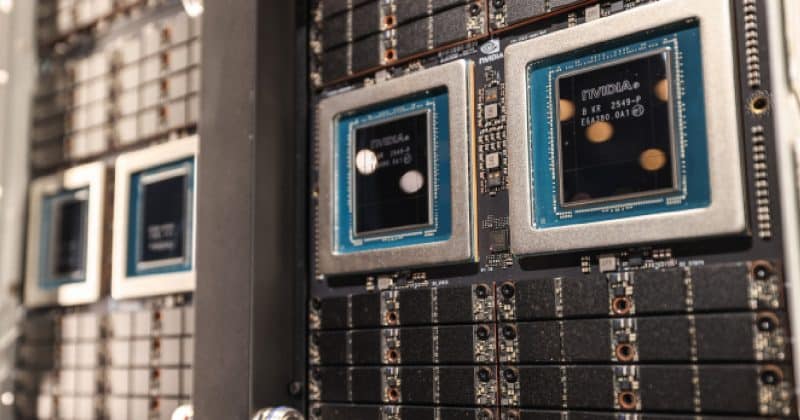
The ICE/NYSE Semiconductor Index, which SOXS tracks inversely, includes the biggest names in the chip industry. A 7% sector decline translates to roughly a 21% gain for a perfectly tracking -3x product on that single day, though real-world tracking often diverges due to fees, rebalancing costs, and intraday volatility.
What this means for investors
The volume surge reflects a broader trend where retail capital is gravitating toward semiconductor ETFs rather than other speculative vehicles, including crypto. When SOXS is printing 460 million shares in a single session, that’s money and focus being directed somewhere other than Bitcoin or altcoins.
For anyone actually considering a position in SOXS, the -94% year-to-date return is the only chart you need to study. Triple-leveraged inverse ETFs are explicitly designed for single-day holding periods. The product’s own prospectus essentially warns you not to do what many retail traders attempt to do, which is hold it for more than a day. Volatility decay, sometimes called the “leverage tax,” erodes value over time even if the underlying index ends up roughly flat.
What traders should watch: follow-through selling in the coming sessions, earnings guidance from major chipmakers, and whether volume in SOXS stays elevated or fades. Sustained volume above 300 million shares would suggest the bearish bet has legs. A quick retreat to normal levels would indicate this was a one-day panic trade, the kind leveraged ETFs are specifically built to exploit.
Disclosure: This article was edited by Editorial Team. For more information on how we create and review content, see our Editorial Policy.












 English (US) ·