
 1 hour ago
2
1 hour ago
2
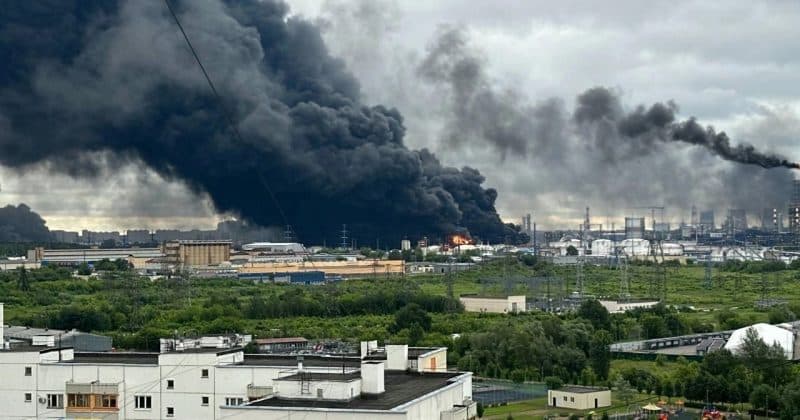
Three explosions were confirmed east of Bandar Abbas on Tuesday, according to Iran’s state news agency IRNA, as US military strikes continued to escalate against Iranian targets. Bitcoin sat at roughly $63,800, down about 0.3% on the day. Ether held near $1,800.
What happened in Bandar Abbas
The explosions mark the third round of US strikes against Iranian targets within a single week. US Central Command has characterized the operations as efforts to degrade Iran’s capacity to threaten commercial shipping, a response triggered by Iranian attacks on a Cyprus-flagged vessel.
Bandar Abbas isn’t some remote outpost. It’s Iran’s most strategically significant port city, sitting at the mouth of the Strait of Hormuz. Roughly one-fifth of the world’s oil traffic passes through that narrow waterway.
Iran has since declared the Strait of Hormuz closed until further notice.
Previous explosions near the city occurred in both January 2026 and May 2026, each one rippling through energy markets and, to varying degrees, digital asset prices.
The crypto market’s unusual calm
Bitcoin trading at $63,800 with a 0.3% daily decline during active military strikes on a nation controlling one of the world’s most critical oil chokepoints is, historically speaking, unusual. During earlier incidents near Bandar Abbas this year, crypto markets showed more conventional risk-off behavior. Prices moved. Volatility spiked. Traders repositioned.
Why the Strait of Hormuz matters for crypto investors
The previous closures and threats around Hormuz have historically added 5-15% premiums to crude oil within days. If that pattern repeats, the second-order effects on monetary policy expectations could create macro headwinds for Bitcoin.
Disclosure: This article was edited by Editorial Team. For more information on how we create and review content, see our Editorial Policy.











 English (US) ·