
 1 month ago
27
1 month ago
27
## Market Snapshot
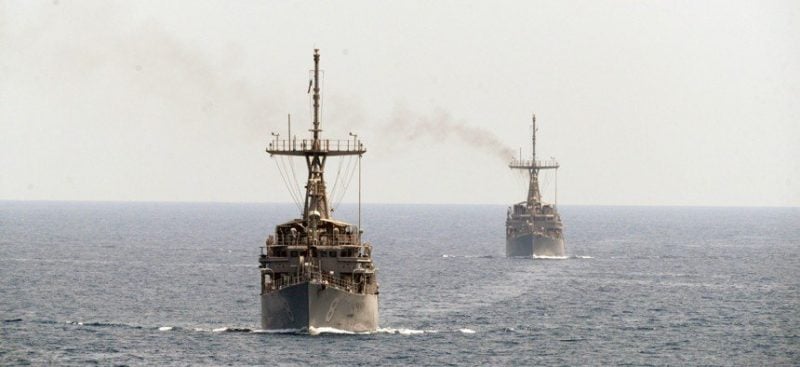
Warships Through Strait of Hormuz by May 31: Currently priced at 21% YES, up from 12% in the last 24 hours. Strait of Hormuz Traffic by May 15: Currently priced at 1.1% YES, down from 4% in the last 24 hours.
## Key Takeaways
– The attack on the South Korean ship appears to have increased the likelihood of international military responses in the Strait. – Market pricing suggests a decrease in confidence that Strait of Hormuz traffic will return to normal by mid-May. – The escalation in tensions may indicate a challenging environment for normalization of traffic by the end of June.
## Article Body
A South Korean ship was hit by an unidentified object in the Strait of Hormuz on May 4, according to the South Korean ministry. This incident comes amid heightened tensions following the ongoing Iran-US-Israel conflict, which began with joint US-Israeli airstrikes on Iranian nuclear facilities. Iran’s subsequent move to close the Strait of Hormuz has significantly impacted global oil and LNG traffic. The US has responded with “Project Freedom,” deploying naval resources to ensure safe passage of commercial ships and enforcing a blockade on Iranian ports. The attack on the South Korean vessel represents a significant escalation in targeting non-combatant ships from third countries, raising concerns over the safety of the numerous South Korean-flagged ships currently stranded in the region.
## Market Interpretation
The latest developments are consistent with increased support for a YES outcome in markets concerning military deployments through the Strait of Hormuz. The attack has heightened geopolitical tensions, making military intervention appear more probable. Consequently, the impact on markets related to warship deployment is considered moderate. Additionally, the ongoing instability is consistent with a NO outcome in markets related to the normalization of traffic through the Strait, with a high impact observed on the likelihood of a return to normalcy by mid-May.
## What to Watch
Watch for statements from key international actors such as the UK Ministry of Defence and CENTCOM for potential military deployments. Additionally, the response from Iran and any further developments in the blockade situation could significantly influence market perceptions. The timeline for any resolution or escalation remains crucial, with the coming weeks likely to provide further clarity on the potential for normalization of traffic in the Strait of Hormuz.
Get prediction market intelligence as a structured API feed. Early access waitlist.
Which Countries Will Send Warships Through The Strait Of Hormuz May 31
Strait Of Hormuz Traffic Returns To Normal May 15
| May 15 | 1.1% | — | — | View market → |
Strait Of Hormuz Traffic Returns To Normal End Of May
| May 31 | 20.5% | — | — | View market → |
Strait Of Hormuz Traffic Returns To Normal End Of June
| June 30 | 49.5% | — | — | View market → |
⚡ Also Impacted by This Story
Strait of hormuz traffic by may bearish
1% FLAT
Strait of hormuz traffic normalization bearish
50% FLAT











 English (US) ·