
 1 hour ago
3
1 hour ago
3
SOL Strategies, the first dedicated Solana treasury company to trade on a major US exchange, saw its shares jump roughly 22% on Friday. The catalyst was straightforward: SOL itself climbed 9%, and every company treating the token as a balance sheet asset got dragged upward with it.
The broader group of Solana DAT (Digital Asset Treasury) stocks posted double-digit gains across the board.
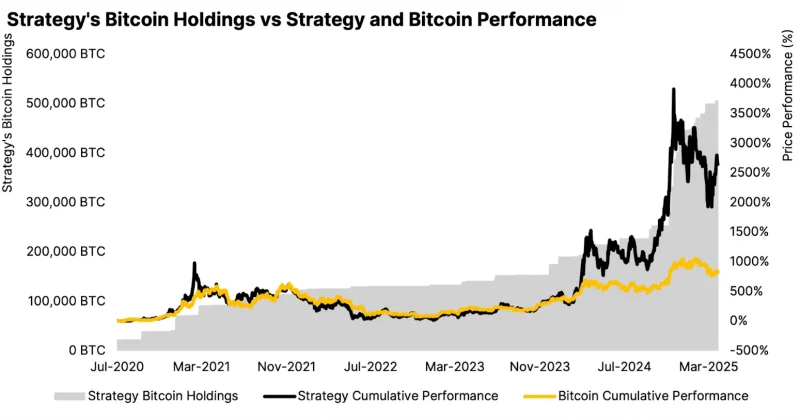
The MicroStrategy playbook, Solana edition
SOL Strategies (Nasdaq: STKE / CSE: HODL) is the most prominent name in this niche. The firm holds over 435,000 SOL and operates a major validator network, meaning it doesn’t just sit on the tokens. It stakes them and earns yield.
The company launched its Nasdaq trading in September 2025 after completing a 1-for-8 share consolidation, while keeping its Canadian Securities Exchange listing under the ticker HODL.
But SOL Strategies isn’t alone. Forward Industries reportedly holds the largest SOL position among publicly traded companies, with over 7 million SOL as of March 2026. Upexi is another firm that has accumulated a significant position.
When SOL moves 9% in a single day, a company like SOL Strategies doesn’t just match that gain. It amplifies it. A 22% stock jump on a 9% token move implies roughly 2.4x leverage, which is what happens when you combine treasury exposure with operational revenue from staking and validator services.
Validator operations add a revenue layer
As of February 2026, the firm reported 33,568 unique wallets delegating to its validators, up from approximately 31,000 earlier that same month. That growth rate, roughly 8% in a matter of weeks, suggests accelerating demand for the company’s staking services.
In March 2026, SOL Strategies shares recorded a 21% gain after the company released validator updates, demonstrating that operational metrics can move the stock independently of token price action.
What this means for investors
The correlation between SOL’s spot price and DAT stock performance creates an interesting dynamic for traditional investors. If you want SOL exposure but operate within the constraints of a brokerage account, a retirement fund, or an institutional mandate that prohibits direct crypto holdings, these stocks offer a workaround.
But that leverage cuts both ways. A 9% SOL rally translates to a 22% stock gain. The math works identically in reverse. When SOL drops, these stocks will fall faster and harder than the token itself.
The competitive landscape is also worth watching. With Forward Industries holding over 7 million SOL compared to SOL Strategies’ 435,000-plus, the treasury sizes vary enormously across the sector. Investors evaluating these companies need to look beyond the raw SOL count and consider validator revenue, delegation growth, operational costs, and dilution risk from potential future share issuances used to fund more SOL purchases.
Disclosure: This article was edited by Editorial Team. For more information on how we create and review content, see our Editorial Policy.















 English (US) ·