
 1 hour ago
1
1 hour ago
1
SK Hynix just pulled off something that hasn’t been done since Alibaba crashed onto the New York Stock Exchange back in 2014. The South Korean memory chipmaker raised $26.5 billion through its first US share sale, making it the largest debut offering by a foreign company in American market history.
The American Depositary Receipts were priced at $149 each on July 9, and trading kicked off the very next day on Nasdaq under the ticker SKHY. The demand was, to put it mildly, enthusiastic: the offering was more than seven times oversubscribed, with cornerstone investor interest reaching up to $7 billion.
A record that stood for over a decade
Alibaba’s $25 billion IPO in 2014 was the kind of event that felt like it might hold the record forever. It didn’t.
SK Hynix topped it by $1.5 billion. For broader historical context, the deal ranks as the second-largest share sale ever, trailing only SpaceX’s roughly $85.7 billion offering.
Why investors are this hungry for HBM chips
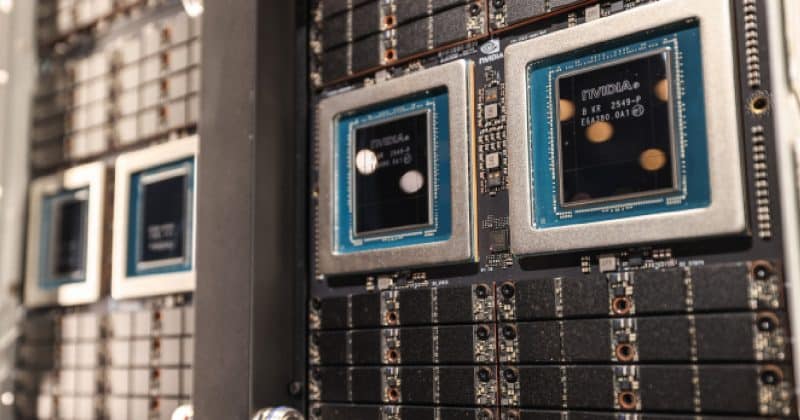
SK Hynix isn’t just any semiconductor company. It’s the world’s second-largest memory chipmaker, and more importantly, it has positioned itself as a critical supplier of High Bandwidth Memory chips, the specialized components that power the AI infrastructure buildout happening across the globe.
Every major AI model, every data center expansion, every cloud provider racing to deploy next-generation computing needs HBM chips. And SK Hynix is one of only a handful of companies capable of manufacturing them at scale.
The timing of this listing aligns with what has been an extraordinary period of capital expenditure announcements from hyperscalers. Companies like Microsoft, Google, Amazon, and Meta have all signaled massive increases in their AI infrastructure spending, and that money eventually flows downstream to chipmakers.
Disclosure: This article was edited by Editorial Team. For more information on how we create and review content, see our Editorial Policy.




 English (US) ·