
 1 month ago
24
1 month ago
24
Key takeaways
- National debt is increasingly used to fund continuous warfare, impacting economic stability.
- Interest payments on the national debt now surpass military spending in the US budget.
- Monetary inflation leads to price inflation, disproportionately affecting low-income earners.
- The US government often blames workers for economic issues instead of addressing inflation and debt.
- US foreign policy should focus on self-defense and necessary actions only.
- Current US military engagements are costing approximately a billion dollars per day.
- The neoconservative movement significantly influenced the US entry into the Iraq War.
- There is a perception that US interests are overly aligned with Israeli interests.
- Intelligence failures are evident in the lack of knowledge among key officials about terrorist groups.
- Continuous military spending contributes to economic instability and societal control.
- The cost of living increases due to inflation, impacting wage earners’ ability to keep up.
- Government spending priorities are shifting, with debt interest overshadowing military expenditures.
- The narrative around wage demands and inflation often misplaces blame on workers.
- US military engagements have significant financial implications, adding to the national debt.
- The influence of foreign policy lobbies impacts US decision-making in international relations.
Guest intro
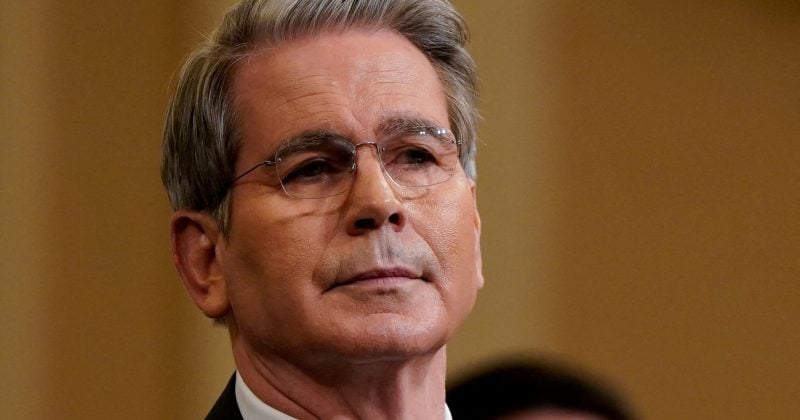
Scott Horton is the editorial director of Antiwar.com. He is the author of Enough Already: Time to End the War on Terrorism, which critiques US military interventions and their economic consequences. Horton hosts The Scott Horton Show, featuring over 6,000 interviews on foreign policy and war.
The impact of perpetual war on national debt
-
The national debt is being used to fund perpetual war, which keeps the populace under control
— Scott Horton
- Government spending on military actions diverts resources from domestic needs.
-
By keeping the people in a state of perpetual war, we take all of their excess wealth
— Scott Horton
- The national debt serves as a tool for societal control by limiting public wealth.
-
We put it in the form of one of our new rocket ships and we blast their wealth off into space
— Scott Horton
- Continuous military spending contributes to economic instability.
- The relationship between government spending and societal control mechanisms is complex.
-
Interest on the national debt is now a larger percentage of the annual national government’s budget
— Scott Horton
- Fiscal priorities are shifting, with debt interest overshadowing military expenditures.
Inflation’s disproportionate impact on lower wage earners
- Monetary inflation leads to price inflation, affecting low-income earners the most.
-
The cost of living is up because of monetary inflation and therefore massive price inflation
— Scott Horton
- Inflation erodes purchasing power, especially for those on the lower end of the wage spectrum.
-
Especially the lower you are on the wage earning ladder, the later you are to ever get a cost of living increase
— Scott Horton
- Wage increases often lag behind inflation, exacerbating economic inequality.
- The impact of inflation is more severe for those with limited financial resources.
-
Destroyed the price of living for people
— Scott Horton
- Understanding monetary policy is crucial to addressing inflation’s effects on different income levels.
Misplaced blame in economic discourse
- The government often blames workers for economic issues instead of addressing root causes.
-
The greedy employees everywhere keep demanding raises
— Scott Horton
- Wage demands are frequently mischaracterized as a cause of inflation.
-
Blaming the victims for the problem
— Scott Horton
- Economic narratives often overlook systemic issues like inflation and debt.
- The focus should be on addressing the underlying causes of economic instability.
- Misplaced blame can divert attention from necessary policy changes.
- A deeper understanding of economic principles is needed to shift the discourse.
The financial burden of US military engagements
- The US is involved in a foreign war costing approximately a billion dollars a day.
-
Here we are, the US is involved in another foreign war
— Scott Horton
- Military spending significantly contributes to the national debt.
- The financial implications of military actions are substantial.
-
It’s costing, I don’t know, a billion dollars a day
— Scott Horton
- The cost of military engagements impacts domestic economic stability.
- Understanding the financial burden of war is crucial for informed policy decisions.
- Military spending priorities need reevaluation in the context of national debt.
The role of neoconservatives in the Iraq War
- The neoconservative movement played a crucial role in misleading the public into the Iraq War.
-
The vanguard of the Israel lobby, otherwise known as the neoconservative movement
— Scott Horton
- Misleading narratives about weapons of mass destruction influenced public opinion.
-
Those were the guys who came up with all those lies
— Scott Horton
- The influence of neoconservatives highlights the complexity of US foreign policy.
- Understanding historical context is essential for analyzing political dynamics.
- The Iraq War serves as a case study in the impact of political movements on military actions.
- The role of neoconservatives continues to be a contentious topic in foreign policy discussions.
US interests and Israeli alignment
- There is a perception that US interests are aligned with Israeli interests.
-
They would act as though Israel’s America’s fifty-first state
— Scott Horton
- This alignment is often viewed as detrimental to independent American policy.
-
Everything that they do and everything that they have in mind is in our best interest
— Scott Horton
- The influence of foreign policy lobbies impacts US decision-making.
- Debates over US-Israel relations are central to discussions on international policy.
- Understanding the intersection of US and Israeli interests is crucial for informed analysis.
- The perception of alignment influences public and political discourse.
Intelligence failures in counterterrorism efforts
- Key intelligence officials lack basic knowledge about terrorist groups.
-
The head of the FBI counterintelligence division couldn’t tell you what’s the difference
— Scott Horton
- Knowledge gaps among officials impact national security strategies.
-
You’re telling me that in the age of the war on terrorism you never read one book about terrorism
— Scott Horton
- Intelligence failures highlight the need for improved training and education.
- Effective counterterrorism requires a deep understanding of terrorist organizations.
- The implications of intelligence gaps are significant for policy and strategy.
- Addressing these failures is crucial for enhancing national security efforts.
Disclosure: This article was edited by Editorial Team. For more information on how we create and review content, see our Editorial Policy.















 English (US) ·