
 1 hour ago
2
1 hour ago
2
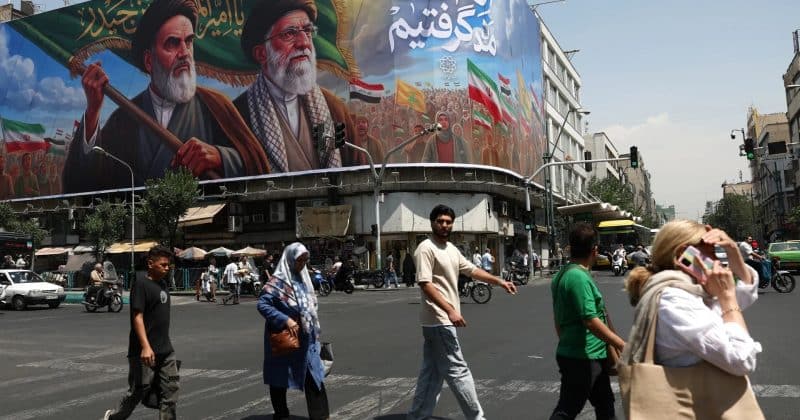
Saudi Arabia formally condemned Iran’s missile and drone strikes targeting Kuwait, Bahrain, and Jordan on June 10, calling the attacks a direct threat to regional stability. The Gulf Cooperation Council followed with its own statement, labeling the strikes a “flagrant violation” of international law and demanding free navigation through the Strait of Hormuz.
What happened in the Gulf
Iran launched coordinated missile and drone attacks against three countries: Kuwait, Bahrain, and Jordan. The strikes occurred within the broader context of escalating US-Iran tensions that have defined much of 2026’s geopolitical landscape.
Saudi Arabia’s Ministry of Foreign Affairs issued a forceful response, with the GCC quickly aligning behind Riyadh’s position. The collective diplomatic front emphasized two priorities: condemning the attacks themselves and safeguarding maritime transit through the Strait of Hormuz.
Roughly one-fifth of the world’s oil supply passes through the Strait of Hormuz on any given day. When the GCC starts explicitly calling for “free navigation” through that corridor, it’s a signal that regional leaders view the threat to energy flows as existential, not hypothetical.
Oil surges, Bitcoin stumbles
Crude prices surged as traders priced in the possibility of sustained disruption to Gulf energy infrastructure. Bitcoin and major digital assets faced pressure on July 8, 2026, due to rising oil prices caused by the U.S.-Iran conflict.
Iran’s crypto shadow economy
Iran’s cryptocurrency ecosystem has grown substantially, with estimates placing it at over $7.8 billion as of 2025. Iranian crypto activity tends to accelerate during periods of geopolitical crisis, driven partly by sanctions evasion and partly by citizens seeking to protect purchasing power as their currency destabilizes.
None of the official diplomatic statements from Saudi Arabia or the GCC referenced cryptocurrency or blockchain technology. Digital assets have become a meaningful tool in sanctions circumvention, yet the diplomatic conversation remains firmly anchored in conventional frameworks of international law and sovereignty.
What this means for investors
The immediate concern for crypto investors is straightforward: sustained Gulf tensions mean sustained pressure on risk assets. The GCC’s explicit call for free navigation suggests they consider maritime disruption plausible, not theoretical.
Disclosure: This article was edited by Editorial Team. For more information on how we create and review content, see our Editorial Policy.










 English (US) ·