
 1 hour ago
1
1 hour ago
1
Japan’s Prime Minister Sanae Takaichi just laid out the most ambitious economic roadmap the country has seen in over a decade. The target: nearly ¥1,100 trillion in nominal GDP, roughly $6.8 trillion, by fiscal year 2040.
That’s not a modest stretch goal. It’s a wholesale reimagining of what Japan’s economy could look like, backed by a combined ¥370 trillion (approximately $2.3 trillion) in planned investments across 17 strategic sectors. Think AI, semiconductors, defense, biotechnology, shipbuilding, and space exploration.
The growth math and what it requires
Takaichi’s blueprint calls for roughly 2% real GDP growth and nominal growth exceeding 3% annually. For most economies, that would be unremarkable. For Japan, which has spent the better part of three decades wrestling with deflation and demographic decline, it’s a fundamentally different posture.
The plan draws heavy parallels to former Prime Minister Shinzo Abe’s 2013 growth strategy, the “Japan is Back” vision that used aggressive fiscal stimulus and monetary easing to jolt the economy out of stagnation. Takaichi’s version updates the playbook with a stronger emphasis on technological sovereignty and defense spending.
On the defense front, the administration has set a goal of reaching 2% of GDP in military spending by fiscal year 2025, which ends in March 2026.
Why the sector bets matter for investors
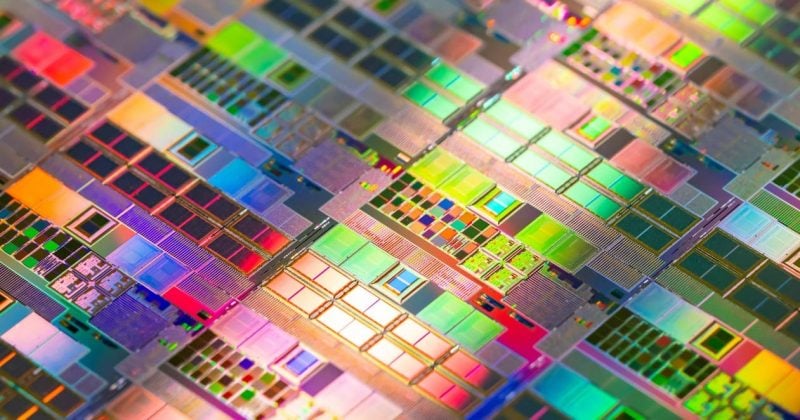
The 17 sectors targeted in the blueprint read like a catalog of the technologies that will define the next two decades of global competition. AI and semiconductors sit at the top. Japan’s semiconductor industry was once the envy of the world. In the 1980s, Japanese chipmakers controlled a massive share of global production. That dominance eroded over the following decades as South Korea and Taiwan surged ahead. Takaichi’s investment plan is, in part, an attempt to claw back relevance in an industry that now underpins everything from smartphones to military hardware.
The crypto angle, or lack thereof
The economic plan contains no explicit policies regarding cryptocurrencies or digital assets. The Financial Services Agency continues to oversee crypto regulation with a framework that treats tokens as financial products. There are ongoing considerations around anti-money laundering protocols and potential tax reforms that could make the environment more attractive for digital asset businesses.
A Solana-based memecoin called “Sanae Token” appeared, and Takaichi’s office publicly disavowed any connection to it.
Disclosure: This article was edited by Editorial Team. For more information on how we create and review content, see our Editorial Policy.











 English (US) ·