
 1 hour ago
2
1 hour ago
2
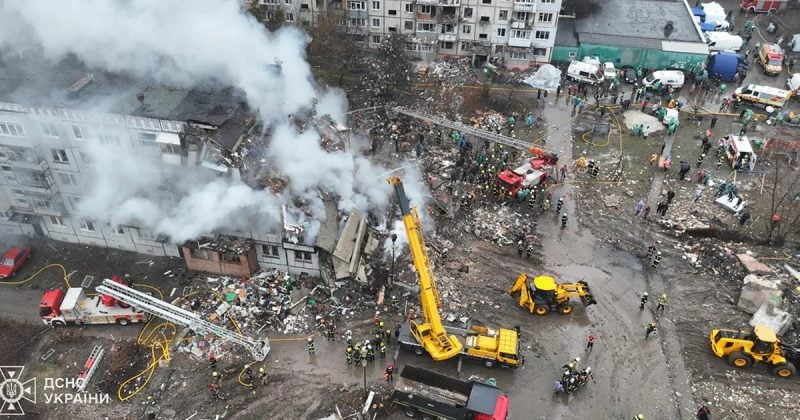
The Kyiv Post has reported on potential scenarios for Russian escalation in the ongoing Russo-Ukrainian War, with the tide turning in Ukraine’s favor. As Ukraine gains strategic momentum, Russia appears to be preparing for further aggressive actions. Recent developments include intense drone and missile attacks, hacking of NATO’s civilian infrastructure, and targeting of Ukrainian energy facilities. These actions suggest a shift towards heightened attritional warfare, raising concerns about potential regional or nuclear escalation.
The implications of this escalation are reflected in prediction markets. The likelihood of a NATO-Russia military clash by the end of 2026 shows a slight increase, currently priced at 16.5% YES, up from 16% a day earlier. Meanwhile, the odds of a formal ceasefire between Russia and Ukraine by the same date have decreased, now at 40.5% YES, down from 42% a day prior. Market participants appear to interpret Russia’s actions as indicative of a lower chance for diplomatic resolution and higher chances of broader military conflict.
Key Takeaways
- Market pricing suggests a slightly increased likelihood of a NATO-Russia military clash by the end of 2026.
- Recent Russian military actions appear consistent with a decreased probability of a ceasefire agreement with Ukraine.
- Escalation scenarios include potential regional or nuclear conflicts, reflecting heightened tensions.
What to Watch
Observers should monitor any forthcoming announcements from key Russian and NATO officials, as these could impact market sentiments. Developments such as further Russian military offensives or diplomatic engagements between Russia and NATO could shift market probabilities. The continuation of high-intensity warfare tactics by Russia could further influence market expectations regarding the potential for military escalation or ceasefire agreements.
Get live prediction-market analysis, powered by Vera. Sign up for Vera.
Disclosure: This article was edited by Estefano Gomez. For more information on how we create and review content, see our Editorial Policy.














 English (US) ·