
 2 hours ago
1
2 hours ago
1
The Federal Reserve held rates steady at 3.5-3.75% last week, and markets threw a tantrum anyway. Bitcoin dropped roughly 2.8-3% to the $63,000-$64,000 range, the S&P 500 shed more than 1%, and dollar call options surged as traders priced in the possibility of rate hikes that haven’t actually happened yet.
Now a faction of options traders is stepping in with a contrarian bet: the selloff went too far.
What the Fed actually said
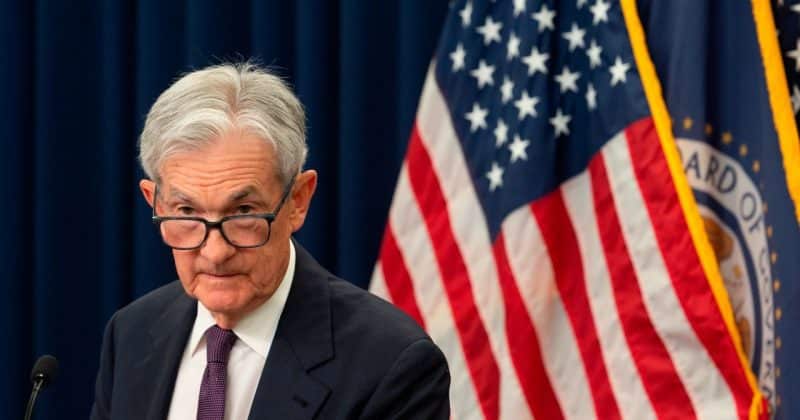
The June 17-18 FOMC meeting, the first under newly appointed Chair Kevin Warsh, didn’t feature a rate change. The committee kept the federal funds rate parked at 3.5-3.75%. What spooked markets was the dot plot, the Fed’s anonymous survey of where individual members expect rates to land.
Nine of the eighteen committee members projected at least one rate increase before the end of 2026. The median year-end estimate ticked up to 3.8%, signaling that the Fed sees rates moving higher rather than lower from here.
Bitcoin’s slide to the low $63,000s was sharp but not catastrophic. The S&P 500’s 1%-plus decline told the same story across traditional equities.
The overreaction thesis
Fundstrat’s Tom Lee made the case publicly, calling the meeting “quite dovish” and arguing that investors misread the Fed’s communication. His read: the shift under Warsh is toward a more data-dependent approach rather than rigid forward guidance.
That interpretation is now showing up in options markets. Traders who agree with the overreaction thesis are positioning for a bounce in risk assets, betting that the initial selloff created an entry point rather than the start of a sustained downturn.
The bearish counter-bet
Not everyone is buying the snapback narrative. Bitcoin options traders have placed bets projecting the cryptocurrency could fall as low as $52,000 by the end of July. That would represent an additional decline of roughly 17% from current levels.
The dollar side of the trade tells a similar story. The surge in dollar call options after the FOMC meeting indicates that a meaningful chunk of the market expects sustained or higher US interest rates.
What this means for crypto investors
The relationship between Fed policy and crypto prices has grown tighter over the past few years, and this episode underscores just how sensitive digital assets have become to interest-rate expectations. Bitcoin’s 2.8-3% drop on a meeting where rates didn’t even change is a reminder that perception matters as much as policy.
The amplified reactions in options markets also suggest that leveraged positions are playing an outsized role in price moves. When options traders bet heavily in one direction, it creates mechanical pressure on the underlying asset. Market makers hedging those positions can accelerate selloffs or rallies beyond what fundamentals justify.
Disclosure: This article was edited by Editorial Team. For more information on how we create and review content, see our Editorial Policy.










 English (US) ·