
 1 hour ago
1
1 hour ago
1
A model that appeared on OpenRouter under the unassuming name “Owl Alpha” has quietly become the most-used AI model on the platform, processing trillions of tokens and claiming the top global ranking on the Hermes platform. The twist: it’s actually Meituan’s LongCat-2.0-Preview, a 1.6 trillion parameter foundation model built on Chinese domestic hardware.
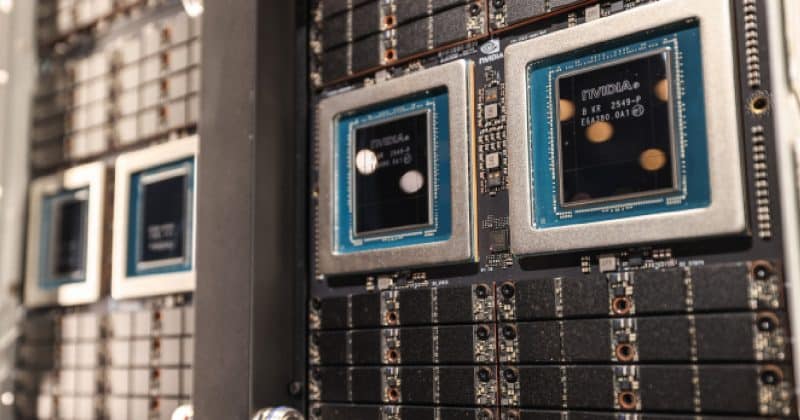
That last detail is the one worth sitting with. No NVIDIA GPUs were involved. A food delivery company built one of the world’s most popular AI models on a cluster of 50,000 to 60,000 domestically produced chips.
What Owl Alpha actually is
LongCat-2.0-Preview launched into public testing on April 24, 2026. Four days later, it was available on OpenRouter, the routing platform that lets developers access multiple AI models through a single API. The model features a 1 million token context window and supports tool-calling, making it especially useful for complex, multi-step tasks like code generation, automation pipelines, and agentic workflows.
OpenRouter initially offered free access with daily token quotas between 5M and 10M tokens per user, expandable through feedback. Usage snapshots show the model has processed between 3.22 trillion and 3.47 trillion tokens since launch. The model currently sits at the number one position on the Hermes platform globally.
Meituan’s unlikely AI pivot
Meituan is a food delivery and on-demand services giant. In August 2025, Meituan released LongCat-Flash, a 560 billion parameter model that served as a precursor to the current release. LongCat-2.0-Preview nearly triples that parameter count, landing at 1.6 trillion parameters.
Training a 1.6 trillion parameter model requires enormous compute. Meituan accomplished this using between 50,000 and 60,000 GPUs sourced entirely from Chinese domestic chip manufacturers, making it one of the largest known AI training runs completed without any NVIDIA hardware.
Why OpenRouter matters in this equation
OpenRouter functions as a marketplace and routing layer for AI models, letting developers switch between providers without rewriting their code. By launching on OpenRouter rather than through a proprietary API alone, Meituan effectively made LongCat-2.0-Preview accessible to developers globally as easily as any US-based lab’s models. The free access tier removed the last remaining friction, and the trillions of tokens already processed reflect the result.
What this means for investors
First, there’s the NVIDIA question. Every model trained without NVIDIA chips chips away at the narrative that the company’s moat is impenetrable. If Chinese labs can produce globally competitive models on domestic hardware, the premium pricing power that NVIDIA commands faces a longer-term challenge.
Second, Meituan’s pivot illustrates the blurring line between tech verticals. A logistics and food delivery company producing a top-ranked AI model is a data point in a broader pattern where companies with massive data operations and engineering talent are entering the AI race from unexpected angles.
Third, the free access model creates competitive dynamics around pricing. If the best-performing model on a major routing platform is available at zero cost, that puts pricing pressure on every paid API in the market. Companies whose business model depends on charging per-token for model access should be watching Owl Alpha’s growth curve carefully.
The more immediate risk to watch is geopolitical. A Chinese-developed, Chinese-trained model achieving global top rankings through an open distribution platform will inevitably draw scrutiny from regulators in multiple jurisdictions, including the possibility of access restrictions, compliance requirements, or outright bans in certain markets.
Disclosure: This article was edited by Editorial Team. For more information on how we create and review content, see our Editorial Policy.














 English (US) ·