
 1 month ago
52
1 month ago
52
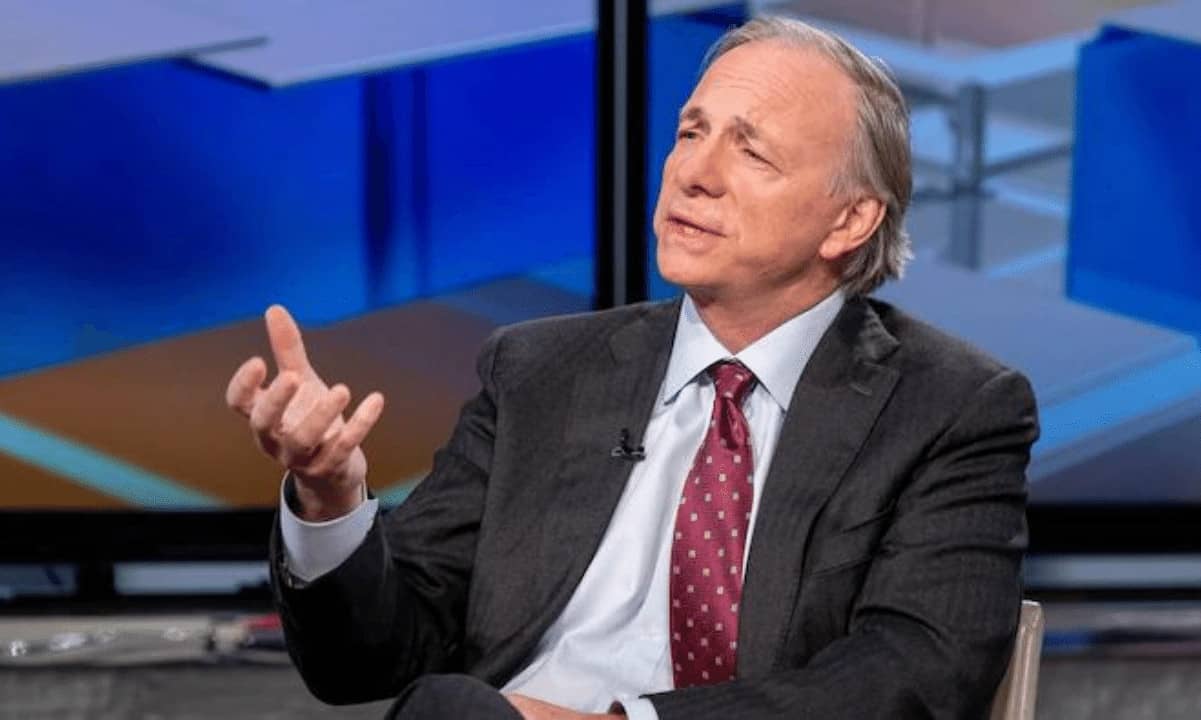
Mike Wilson, Morgan Stanley’s Chief Investment Officer and Chief US Equity Strategist, is waving a yellow flag over what has been one of the market’s most crowded trades. His message: semiconductor stocks may be approaching a cyclical peak, and the smart money should be watching hyperscalers for confirmation.
The call comes after a bruising stretch for tech. The Nasdaq Composite fell 4.6% in a single week in late June, while the Philadelphia Semiconductor Index (SOX) dropped a sharper 7.9% over the same period.
The hyperscaler signal
Wilson’s thesis hinges on a somewhat counterintuitive observation. Hyperscalers, the Microsofts and Amazons and Metas of the world, are actually spending more than ever on AI infrastructure. Capital expenditure forecasts for the group have been revised significantly upward, with projections now sitting at $805 billion for 2026 and a staggering $1.116 trillion for 2027.
Despite that spending bonanza, hyperscaler stocks themselves have been showing weakness. And in Wilson’s framework, that disconnect is the canary in the coal mine for chip stocks.
Wilson also pointed to EPS revision breadth in the semiconductor space hitting historical extremes. The strategist compared the current chip rally to silver’s price dynamics earlier in 2026, framing both as liquidity-driven commodity rotations rather than new structural phases.
Morgan Stanley’s broader positioning
Wilson’s caution on semiconductors fits within a larger call that US stocks will struggle to reach new highs as investors rotate out of this year’s biggest winning technology trades. The long-term trajectory of artificial intelligence investment remains intact by his own assessment, with those trillion-dollar capex projections as evidence.
The distinction Wilson is drawing is between the secular trend and the cyclical trade. AI as a technology platform isn’t going anywhere. But the specific stocks that have benefited most from the initial infrastructure buildout phase may need to pass the baton to a new set of winners.
Meanwhile, Morgan Stanley as an institution has been expanding its digital asset capabilities, a move that speaks to where the bank sees capital flowing next.
What this means for crypto investors
Semiconductor stocks and crypto have shared a meaningful correlation over the past two years, both functioning as high-beta expressions of the AI and liquidity trade. When chip stocks sneeze, Bitcoin and Ethereum have historically caught a cold.
The risk is that if hyperscaler weakness deepens into a broader tech selloff rather than a clean leadership change, correlated risk assets including crypto would likely get dragged lower. The SOX index losing nearly 8% in a week is the kind of move that rattles confidence across the entire risk spectrum.
For investors watching this play out, the key metric to track is whether hyperscaler capex guidance holds firm on upcoming earnings calls. If Microsoft, Amazon, and Meta maintain or raise their AI spending plans while their stock prices stabilize, Wilson’s rotation thesis gains credibility. If they start trimming forecasts, that’s a different and much uglier scenario for everything downstream, chips and crypto alike.
Disclosure: This article was edited by Editorial Team. For more information on how we create and review content, see our Editorial Policy.









 English (US) ·