
 1 hour ago
1
1 hour ago
1
Microsoft just slapped another $100 to $150 on every Xbox Series X|S console, effective August 1. The base 512GB models jump by $100, while higher-storage configurations climb by as much as $150, pushing certain Series X setups close to $800.
The company is also killing the 2TB Xbox model entirely. This is the third time Microsoft has hiked Xbox prices since May 2025, and the explanation is always the same: memory and storage components are becoming brutally expensive.
The AI appetite eating your electronics budget
Storage and memory component costs have increased more than 2.5 times since 2024. And the situation is expected to get worse, with costs projected to double again by fall 2027.
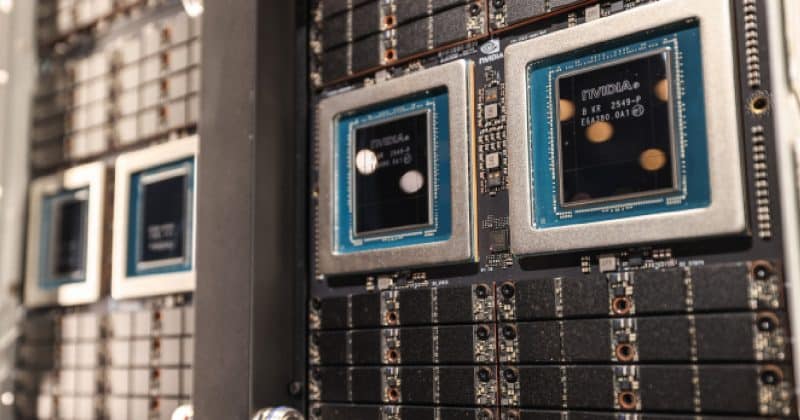
The culprit has a name: high-bandwidth memory, or HBM. Manufacturers like Samsung and Micron have been aggressively shifting production capacity toward these AI-grade chips, which fetch premium prices from data center operators. Micron has reportedly exited parts of its consumer business entirely to focus on data center clients.
OpenAI’s Stargate project alone is estimated to consume up to 40% of global DRAM output. Every Xbox, MacBook, smartphone, and tablet has to compete for what’s left.
Microsoft isn’t suffering alone. On the same day, June 25, Apple announced price increases of $100 to $300 across multiple MacBook and iPad models. Some Apple devices saw price jumps of nearly 20%. Apple cited the exact same reason: surging demand for memory and storage chips driven by AI infrastructure expansion.
Microsoft’s console math doesn’t add up
Even with three rounds of price hikes in just over a year, Microsoft is reportedly still losing hundreds of dollars on every console sold at current prices. Discontinuing the 2TB model makes sense through that lens. Higher-capacity storage means more of those increasingly expensive chips per unit.
The global DRAM and NAND markets have been critically destabilized by AI-related demand since 2025, creating a supply squeeze for consumer electronics makers. Manufacturers are making rational economic choices by prioritizing their highest-margin customers, which happen to be AI companies willing to pay almost any price for memory chips.
What this means for investors
Microsoft and Apple chose price hikes. But an Xbox approaching $800 is competing with gaming PCs. A MacBook pushing well past $2,000 starts losing price-sensitive buyers. The research suggests these trends will continue through at least 2027.
The companies to watch are the chip manufacturers themselves. Samsung, Micron, and other major memory producers are making strategic bets on AI infrastructure over consumer electronics. Those capacity allocation decisions will determine how severe the consumer squeeze gets.
For crypto and decentralized AI projects, any project that requires significant hardware deployment faces the same component cost pressures as Microsoft and Apple. The memory chip bottleneck doesn’t care whether your data center is run by OpenAI or a decentralized network of node operators.
Disclosure: This article was edited by Editorial Team. For more information on how we create and review content, see our Editorial Policy.









 English (US) ·