
 1 hour ago
2
1 hour ago
2
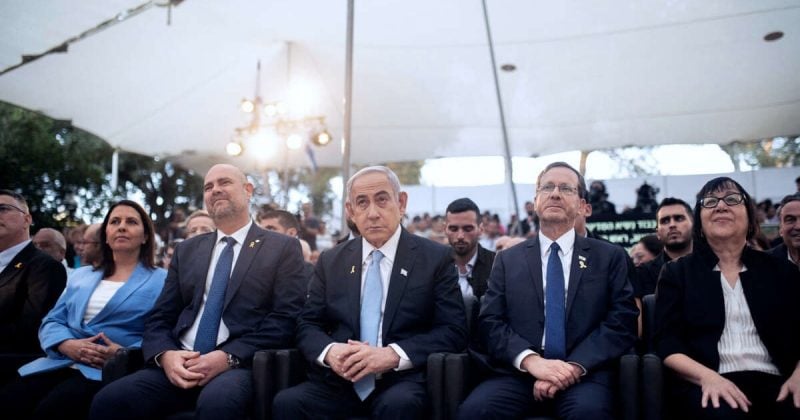
Knesset Speaker Amir Ohana has announced a reduction of the Knesset budget by NIS 50 million as part of efforts to bolster Israel’s economy. This latest cut brings the total reductions since the start of the 25th Knesset to NIS 376 million. The budget revisions are part of a broader strategy during Israel’s wartime fiscal consolidation, with ongoing conflicts involving Iran and Hezbollah. This marks the fourth budget cut initiated by Ohana, aligning with the 3% reduction applied across all government ministries. The fiscal adjustments aim to support the treasury during a period marked by increased defense spending and economic strain.
Key Takeaways
- The budget cut by Speaker Amir Ohana suggests a focus on economic stability, which appears consistent with reduced odds of parliament dissolution.
- Market pricing indicates a decrease in the likelihood of the Israeli parliament dissolving by February 28, reflecting confidence in the current government’s stability.
- The latest budgetary move by Ohana is part of a series of cuts aimed at supporting Israel’s wartime economy, affecting predictions about legislative continuity.
What to Watch
Watch for any further fiscal measures by Israeli officials, as these could influence the probability of political stability. Key figures such as Prime Minister Benjamin Netanyahu and Speaker Amir Ohana play crucial roles in shaping these outcomes. Any shifts in coalition dynamics or legislative actions may provide additional indications of whether parliament dissolution scenarios become more likely. Observers should also keep an eye on upcoming legislative sessions and any statements from influential political leaders regarding the government’s fiscal strategies.
Get live prediction-market analysis, powered by Vera. Sign up for Vera.
Disclosure: This article was edited by Estefano Gomez. For more information on how we create and review content, see our Editorial Policy.














 English (US) ·