
 1 hour ago
1
1 hour ago
1
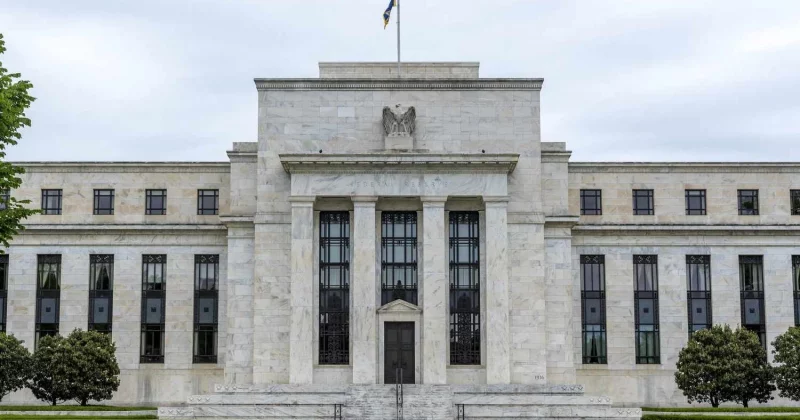
The Federal Reserve has a new sheriff, and he’s not interested in handing out candy. Kevin Warsh, sworn in as Fed Chair on May 22, 2026, used his first FOMC press conference to make one thing unmistakably clear: the 2% inflation target is not a suggestion.
During the June 17 meeting, Warsh held the federal funds rate steady at 3.5-3.75% while delivering rhetoric so hawkish it could have come with talons. The result was immediate market turbulence, with Bitcoin, equities, and bond prices all feeling the sting.
The ‘inflation is a choice’ doctrine
Warsh’s most memorable line from the press conference landed like a brick on trading desks.
“Inflation is a choice.”
By refusing to signal any near-term easing, Warsh effectively closed the door on the rate-cut hopes that had been quietly building among traders. Instead, rate-hike odds began climbing almost immediately after the presser concluded.
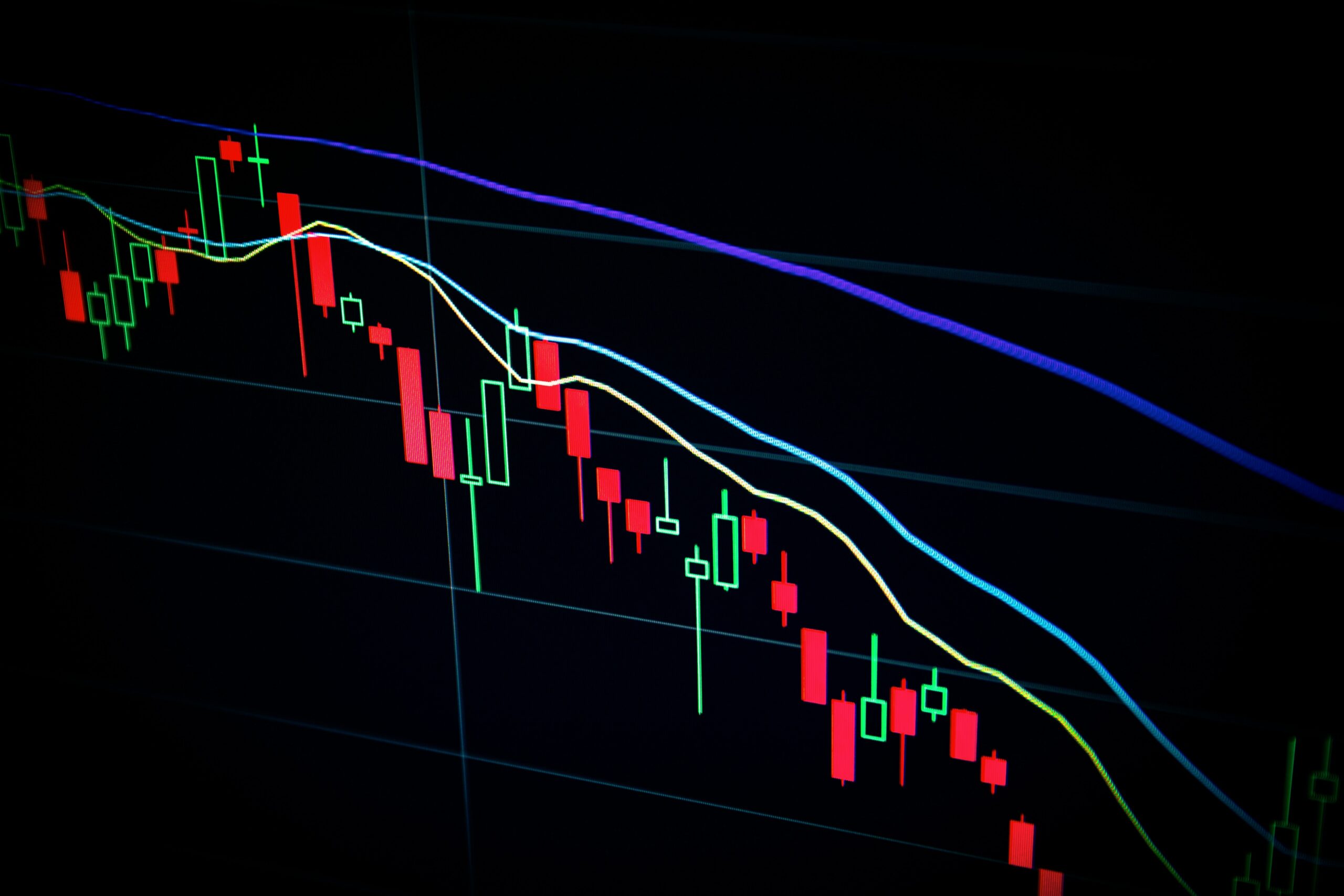
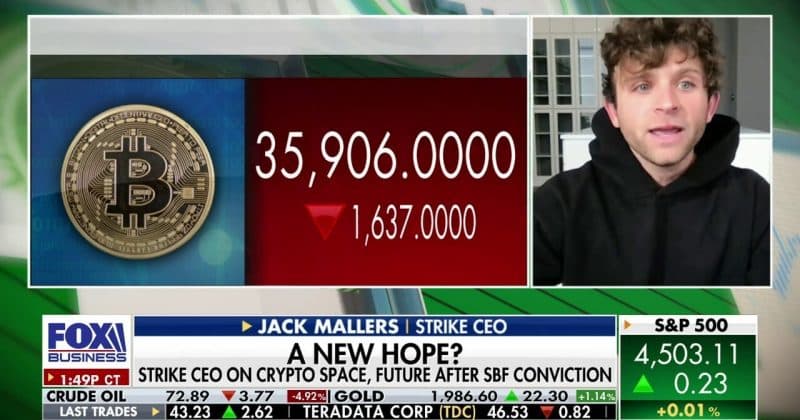
Bond yields rose in response. Major stock indices declined. And Bitcoin, which has spent years trying to prove it’s uncorrelated with traditional risk assets, did exactly what traditional risk assets did: it fell.
Warsh also announced plans for internal reviews of the Fed’s communications strategy and its inflation framework, suggesting he may be laying the groundwork for structural changes in how the Fed operates, not just tweaking the dial on interest rates.
A familiar face with a new mandate
Warsh is not exactly a newcomer to the Federal Reserve. He served as a Fed governor during the 2008 financial crisis, giving him a front-row seat to one of the most consequential periods in modern central banking.
Warsh was nominated by former President Donald Trump in early 2026. His past advocacy for maintaining a smaller Fed balance sheet and stringent financial policies illustrates his willingness to steer the institution towards a more hawkish stance.
The contrast with Powell’s communication style is already visible. Where Powell often hedged with phrases about being “data-dependent” and watching conditions “evolve,” Warsh’s language was blunt and directional. The Fed will “deliver” on price stability, he said.
What this means for crypto and risk assets
For anyone holding Bitcoin or other crypto assets, Warsh’s posture creates a challenging near-term environment. Crypto markets have historically thrived during periods of loose monetary policy, when cheap capital floods into speculative investments.
The immediate reaction tells the story. Bitcoin declined alongside equities following Warsh’s comments, reinforcing a pattern that crypto investors have been trying to escape: when the Fed gets hawkish, risk assets sell off together.
If markets begin pricing in an actual rate increase in the second half of 2026, that’s a significant shift from where consensus stood just weeks ago. Higher rates mean higher yields on safe assets like treasuries, which makes the opportunity cost of holding non-yielding assets like Bitcoin more pronounced.
There’s also the question of what Warsh’s internal reviews will produce. If Warsh moves away from the average inflation targeting framework that Powell adopted, which allowed the Fed to tolerate above-target inflation for extended periods, it would signal an even more aggressive stance on price stability.
Disclosure: This article was edited by Editorial Team. For more information on how we create and review content, see our Editorial Policy.







 English (US) ·