
 1 hour ago
1
1 hour ago
1
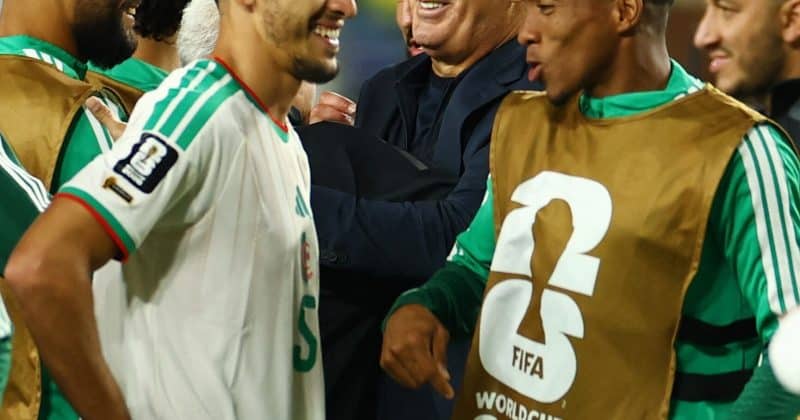
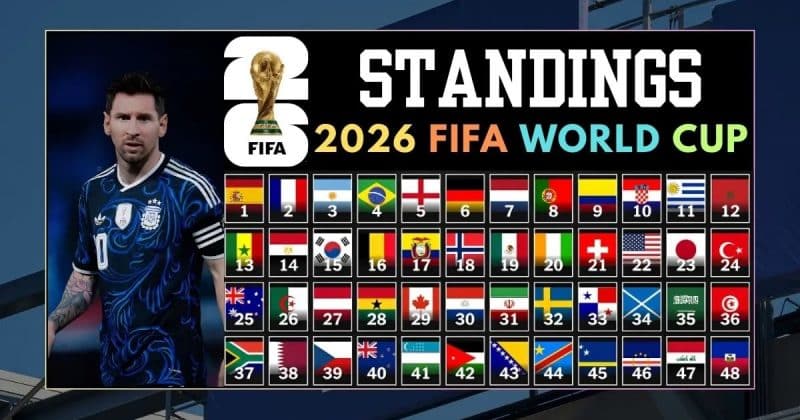
Nizar Al-Rashdan did something no Jordanian footballer had ever done before. He put the ball in the back of the net at a World Cup.
The midfielder’s 36th-minute strike against Algeria on June 23 at Levi’s Stadium in Santa Clara, California, gave Jordan a 1-0 lead in their Group Stage match and etched his name into the country’s sporting history.
But here’s the thing. The goal matters beyond the pitch. This World Cup is the first where crypto sponsorships, fan tokens, and prediction markets are operating at genuine scale, turning every match result into a ripple across digital asset markets.
The crypto World Cup is here
FIFA’s 2026 tournament is not your father’s World Cup. Kraken became FIFA’s first-ever official crypto exchange sponsor on June 9, 2026, planting a flag that previous tournaments only flirted with.
Avalanche is powering FIFA’s NFT initiatives for the tournament. In English: the blockchain network is handling the infrastructure behind digital collectibles tied to World Cup moments, goals, and players.
Al-Rashdan’s historic goal is exactly the kind of moment that generates demand for these digital collectibles, though Jordan itself doesn’t have an official NFT or fan token partnership with any major platform.
That absence is worth noting. While the tournament’s biggest names are deeply embedded in the crypto ecosystem, smaller footballing nations like Jordan and Algeria remain largely on the sidelines of the digital asset economy. Neither team has an active fan token trading on major exchanges.
Fan tokens and the performance premium
Contrast that with Argentina. The $ARG fan token has historically been sensitive to the national team’s on-pitch performance, spiking during wins and dipping after losses.
Fan tokens operate like a hybrid between a loyalty program and a speculative asset. Holders typically get voting rights on minor club decisions, access to exclusive content, and the emotional satisfaction of owning a piece of their team’s digital identity.
Jordan’s lack of a fan token means Al-Rashdan’s goal, as historic as it is, doesn’t have a direct digital asset proxy for traders to pile into. There’s no $JOR token surging on Chiliz or Socios. The market impact instead flows through indirect channels: prediction markets, sports betting platforms, and the broader sentiment around underdog narratives in crypto-adjacent gambling.
Prediction markets tied to World Cup outcomes have seen volumes approaching nearly $2 billion, according to research into tournament-related crypto activity. A Jordan goal against Algeria shifts odds across dozens of prediction market contracts — match winner, group stage qualification, total goals, first goalscorer — with each contract adjusting in real time across platforms like Polymarket and their decentralized competitors.
Jordan’s quiet crypto evolution
What makes Jordan’s World Cup appearance even more interesting from a crypto perspective is what’s happening back home. Jordan enacted Law No. 14 of 2025, creating a regulated virtual-asset market framework. It’s one of the more forward-thinking regulatory moves in the Middle East, establishing clear rules for how digital assets can be issued, traded, and managed within the kingdom.
What this means for investors
For investors watching fan tokens, team performance during major tournaments remains the single biggest driver of short-term price action. Argentina’s $ARG token is the clearest example, but the pattern holds across tokens for other participating nations with active digital assets.
The prediction market volumes are arguably the bigger story. Nearly $2 billion flowing through crypto-native betting platforms signals that this category is maturing rapidly. Each upset, each historic goal, each red card creates a volatility event across these markets.
The risk, as always, is that fan tokens remain thinly traded and prone to manipulation. A single match result can move a token’s price by double-digit percentages, which is great on the way up and brutal on the way down. Investors treating these assets like long-term holds rather than event-driven trades have historically been disappointed.
Disclosure: This article was edited by Editorial Team. For more information on how we create and review content, see our Editorial Policy.








 English (US) ·