
 1 month ago
32
1 month ago
32
Key takeaways
- The Democratic Party is experiencing a shift in its stance on Israel, becoming more openly hostile.
- John Fetterman stands alone among Democrats in opposing the shutdown of the Department of Homeland Security.
- Political polarization is forcing individuals to adopt extreme positions, hindering nuanced discussions.
- Internal conflicts within the Democratic Party are evident, particularly regarding its stance on Israel.
- A culture of fear within the Democratic Party punishes dissenting opinions.
- Global conflicts related to oil production involve shared responsibility among oil-consuming countries.
- Iran’s inability to engage in traditional combat is seen as a positive development for global security.
- Actions against Iran are viewed as a long-sought achievement by previous US presidents.
- Disarming dangerous regimes is deemed essential to prevent greater costs in lives and economic impact.
- The normalization of antisemitic tropes in political discourse is a growing concern.
- John Fetterman emphasizes the need for moral clarity in policy-making.
- Bipartisanship is increasingly challenging in the current political climate.
Guest intro
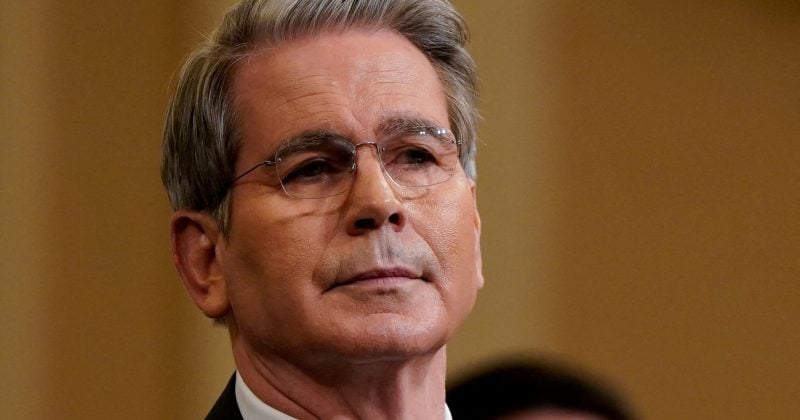
John Fetterman serves as the senior United States senator from Pennsylvania. He previously served as Pennsylvania’s lieutenant governor from 2019 to 2023 and as mayor of Braddock from 2006 to 2019, where he revitalized the struggling steel town by reducing gun violence to zero for five years and creating jobs through urban renewal. Known for breaking Democratic ranks on issues like immigration and bipartisanship, he joins the All-In podcast to discuss the SAVE Act and party fractures.
The Democratic Party’s evolving stance on Israel
-
The Democratic Party’s stance on Israel is shifting towards being openly hostile.
— John Fetterman
- Fetterman suggests listening to Democratic Senate candidates to understand this shift.
- The party’s internal dynamics are becoming more anti-Israel.
-
Watch what they’re saying and doing, and that’s becoming more and more anti-Israel.
— John Fetterman
- This shift reflects broader ideological struggles within the party.
- Fetterman highlights the challenges of being a pro-Israel Democrat.
-
Part of my party’s become so inflexible.
— John Fetterman
- The party’s stance on Israel is a significant political issue affecting dynamics.
Homeland Security and Democratic Party debates
- John Fetterman is the only Democrat opposing the shutdown of the Department of Homeland Security.
-
I’m also the only Democrat that refuses to shut down the Department of Homeland Security.
— John Fetterman
- This position underscores his unique stance within the party.
- The debate over Homeland Security reflects broader national security concerns.
- Fetterman’s stance highlights internal party conflicts on security issues.
- The Department of Homeland Security remains a critical topic in political debates.
- Fetterman’s position emphasizes the importance of maintaining security infrastructure.
- The shutdown debate is part of a larger discussion on security reforms.
Political polarization and discourse challenges
- The current political climate forces individuals to adopt extreme positions.
-
It seems nowadays whatever the other side is doing or saying you have to take the opposing view.
— John Fetterman
- Polarization hinders nuanced discussions and bipartisanship.
- Political discourse is increasingly characterized by inflexible positions.
-
In many cases, it seems like that might force folks to kind of contort into these weird positions.
— John Fetterman
- The challenges of bipartisanship are evident in today’s political environment.
- Fetterman emphasizes the need for more open and flexible discussions.
- Polarization impacts the ability to address complex issues effectively.
Fear culture within the Democratic Party
- The Democratic Party is led by a culture of fear that punishes dissenting opinions.
-
I think the TDS… is made it virtually impossible without being punished as a Democrat.
— John Fetterman
- This culture discourages members from expressing differing viewpoints.
- Internal dynamics within the party create pressure to conform.
- Fetterman highlights the challenges faced by Democrats who disagree with the majority.
- The culture of fear impacts the party’s ability to engage in open discussions.
- Dissenting opinions are often met with punishment within the party.
- Fetterman’s insight reflects concerns about the current state of the Democratic Party.
Global responsibility in oil-related conflicts
- Countries consuming oil share responsibility in global conflicts related to oil production.
-
Do you consume oil? Yes, of course, we do. Well, then that makes it your problem too.
— John Fetterman
- Oil consumption is linked to international responsibility and conflicts.
- The geopolitical implications of oil consumption are significant.
- Fetterman emphasizes the interconnectedness of global oil consumption.
- Countries must acknowledge their role in oil-related conflicts.
- The responsibility for global conflicts extends beyond oil-producing nations.
- Fetterman’s viewpoint reflects a nuanced understanding of foreign policy.
Iran’s military capabilities and global security
- Iran has been effectively neutered and is unable to engage in traditional combat.
-
The Iranians have never done anything other than just attacking civilians.
— John Fetterman
- Iran’s military strategy involves using drones to create chaos.
-
They can’t engage in traditional kinds of combat.
— John Fetterman
- This development is seen as a positive for global security.
- Actions against Iran align with long-term US foreign policy goals.
-
Every single president since the last forty-some years wanted to do something about Iran.
— John Fetterman
- Fetterman views these actions as a significant achievement in foreign policy.
The necessity of disarming dangerous regimes
- Disarming dangerous regimes is essential to prevent greater costs in lives and economic impact.
-
Critics are attacking well it costs us a billion dollars.
— John Fetterman
- The cost of inaction is higher in terms of lives and economic impact.
- Fetterman emphasizes the importance of military intervention in certain cases.
- Historical lessons support the need for disarming threatening regimes.
- The geopolitical implications of regime disarmament are significant.
- Fetterman’s viewpoint reflects a strong stance on military action.
- The necessity of disarmament is grounded in historical context.
Concerns about antisemitism in political discourse
- The normalization of antisemitic tropes in political discourse is concerning.
-
It’s become more and more acceptable as a Democrat to say these things.
— John Fetterman
- Antisemitism is increasingly accepted in political discussions.
- Fetterman highlights the rise of antisemitism as a significant concern.
- The political climate allows for the spread of antisemitic tropes.
- Addressing antisemitism requires acknowledging its normalization.
- Fetterman’s insight reflects broader concerns about political discourse.
- The rise of antisemitism impacts the integrity of political discussions.
Disclosure: This article was edited by Editorial Team. For more information on how we create and review content, see our Editorial Policy.












 English (US) ·