
 1 month ago
35
1 month ago
35
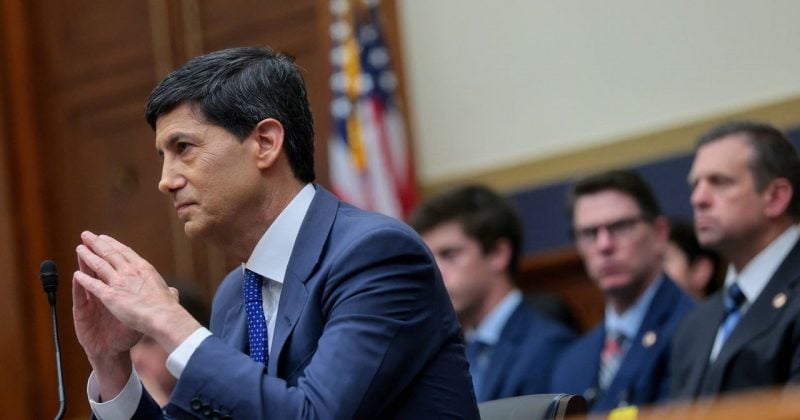
Bundesbank President Joachim Nagel is delivering a message that markets don’t particularly want to hear: even if the Iran conflict wraps up soon, the price damage is already baked in.
The numbers tell the story
Since military actions by Israel and the US against Iran began, crude oil prices have surged over 10%. Natural gas prices have jumped approximately 60%.
In remarks dating back to March 5, 2026, Nagel stated plainly that sustained elevated energy prices would lead to higher inflation and weaker economic activity in the euro area.
By May, Nagel had sharpened his tone further. He indicated that the European Central Bank is prepared to act, including possible interest rate adjustments, if inflation risks stemming from the conflict persist.
The Bundesbank’s own May 2026 report drew direct comparisons between the current Iran-related energy crisis and the 2021/22 energy crisis triggered by the Ukraine conflict, noting both parallels and differences.
Why this matters beyond Europe’s borders
The 2022 playbook is instructive. When energy prices spiked after Russia’s invasion of Ukraine, the ECB embarked on its fastest rate-hiking cycle in history. Bitcoin dropped from roughly $47K in March 2022 to under $16K by November of that year. The causal chain was straightforward: energy shock leads to inflation, inflation leads to rate hikes, rate hikes drain liquidity from speculative markets.
One key difference from 2021/22: Europe has spent the intervening years diversifying its energy sources and building LNG import capacity. But “more resilient” and “resilient enough” are not the same thing, as the current price spikes demonstrate.
What investors should be watching
Nagel’s warning essentially creates two scenarios for investors to model. Scenario one: the Iran conflict ends quickly, but energy prices remain elevated for months due to supply chain disruptions and strategic repositioning. Scenario two: the conflict drags on, energy prices climb further, and the ECB is forced into a more aggressive posture.
Secondary reports have linked the inflation risks from the conflict to potential impacts on cryptocurrencies such as Bitcoin, noting that sustained inflation may drive interest in Bitcoin as a hedge, while tighter ECB monetary policy could squeeze liquidity from digital assets.
Disclosure: This article was edited by Editorial Team. For more information on how we create and review content, see our Editorial Policy.










 English (US) ·