
 1 hour ago
2
1 hour ago
2
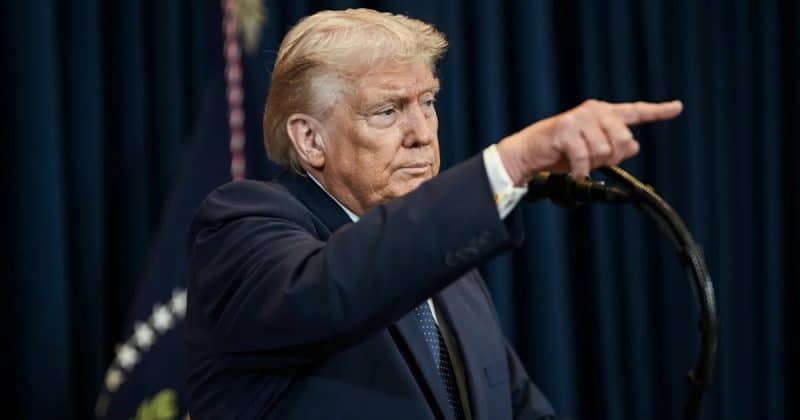
Vice President JD Vance pushed back against claims that the US approved a $300 billion deal between Qatar and Iran, stating plainly that Iran will not receive American funding under the recently established memorandum of understanding between Washington and Tehran.
The clarification came after rumors circulated suggesting the US was effectively bankrolling Iran through a Gulf intermediary. Vance’s response: not a single dollar of American money will go to Iran.
What the deal actually involves
The $300 billion figure is real, but its source has been widely mischaracterized. The potential reconstruction investments would come from Gulf Cooperation Council countries, not the United States.
The GCC nations in play include Qatar, the UAE, Saudi Arabia, Kuwait, and Bahrain. Together, they could funnel up to $300 billion into Iranian reconstruction.
Iran would need to meet specific compliance benchmarks before seeing any of those funds. The conditions include ceasing its nuclear program entirely and allowing international inspections.
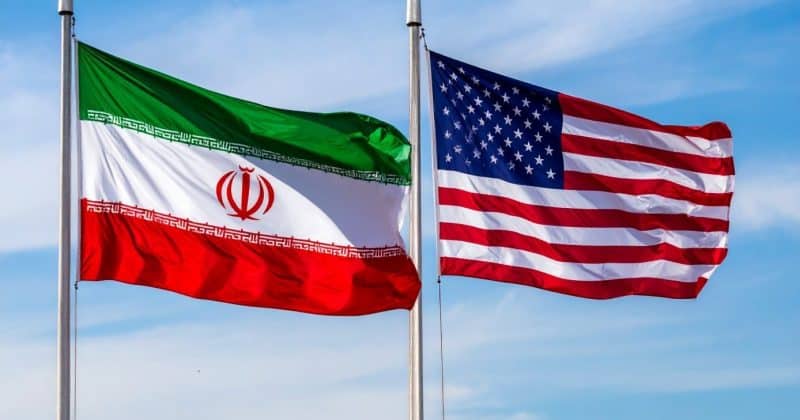
A memorandum of understanding between the US and Iran was electronically signed around June 14, with a formal signing ceremony expected on June 19. Vance described the state of negotiations as “very close” to finalized but not yet over the finish line.
The diplomatic push has been in motion since at least April and May 2026, following a turbulent stretch that included military actions and drone strikes in the Strait of Hormuz.
Why the confusion matters
Skeptics aren’t buying Vance’s framing at face value. Critics argue that facilitating $300 billion in potential investment for a country that recently engaged in military hostilities is functionally the same as rewarding aggression, even if American wallets stay closed.
Vance’s team appears to be drawing a very deliberate line: the US is a facilitator, not a funder. The administration’s position is that bringing GCC nations to the table as investors, rather than committing federal dollars, insulates American interests while still creating enough economic incentive for Iran to comply with nuclear restrictions.
What this means for crypto and broader markets
The Strait of Hormuz angle deserves attention. Roughly 20% of the world’s oil passes through that chokepoint. Recent military activity in the area already rattled energy markets. A successful deal stabilizes the region and likely reduces the geopolitical risk premium currently baked into oil prices.
For investors watching this space, the June 19 signing ceremony is the next key date. If the formal memorandum gets signed as expected, it signals that the diplomatic framework is holding.
Disclosure: This article was edited by Editorial Team. For more information on how we create and review content, see our Editorial Policy.






 English (US) ·