
 1 month ago
28
1 month ago
28
The information provided in this article is for informational purposes only and does not constitute financial advice. Cryptocurrency investments carry a high degree of risk. Always conduct your own research.
Japan's Cabinet has approved a landmark bill reclassifying cryptocurrencies as financial assets, paving the way for a 20% flat tax and institutional growth.
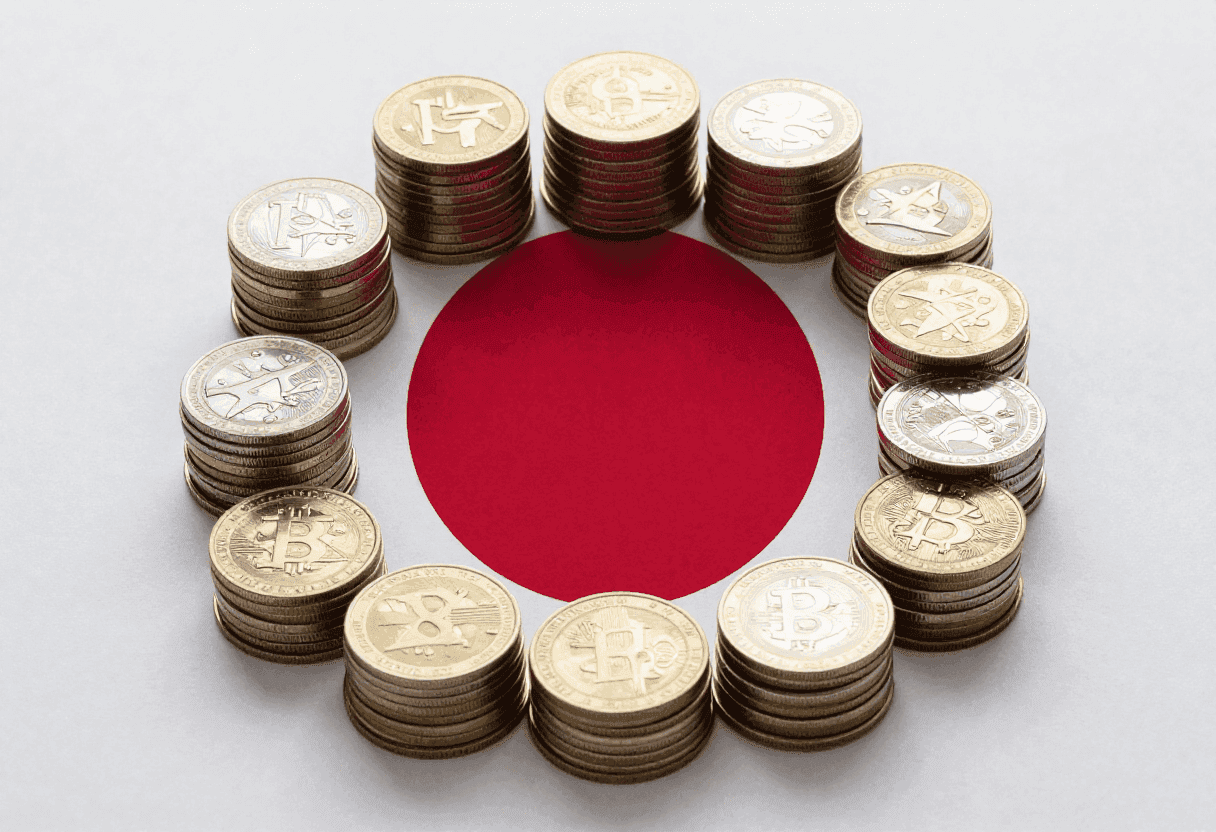
Japan has officially moved to recognize cryptocurrency as a financial asset. This legislative pivot marks a departure from the previous "payment instrument" classification under the Payment Services Act (PSA), transitioning oversight to the more rigorous Financial Instruments and Exchange Act (FIEA).
The move is not merely a semantic change; it is a strategic maneuver by the Japanese government to integrate digital assets into the traditional financial system. This transition aims to enhance investor protection, foster institutional entry, and significantly reform one of the world's most debated crypto tax regimes.
Japan Crypto News: A New Status for Crypto
To address the core development: Yes, the Japanese Cabinet has approved the bill to reclassify 105 cryptocurrencies—including $Bitcoin and $Ethereum—as financial assets. This bill is expected to pass through the Diet (Japan's parliament) in the second quarter of 2026, with full enforcement slated for early 2027.
From "Money" to "Investment"
Previously, Japan treated crypto as a "property value" used primarily for payments. Under the new framework:
- Old Status (PSA): Regulated as a means of payment, similar to prepaid cards or electronic money.
- New Status (FIEA): Regulated as a financial instrument, putting it on the same legal footing as stocks, bonds, and derivatives.
This reclassification allows for more sophisticated financial products, such as spot Bitcoin ETFs, to potentially gain approval in the Japanese market.
 Tax season is right around the corner. Did you pick a crypto tax tool yet? Check out our comparison
The Tax Revolution: A Flat 20% Rate
One of the most significant implications of this bill is the long-awaited reform of crypto taxation. Historically, Japan has been known for its "punitive" tax rates, where crypto gains were treated as miscellaneous income, subject to progressive rates as high as 55%.
| Tax Rate | Progressive (Up to 55%) | Flat 20% |
| Loss Carryover | Not allowed | 3-Year Carryforward |
| Separation | Combined with salary | Separate Taxation |
By treating crypto as a financial asset, investors can now offset losses against gains over a three-year period, a standard practice in the equities and stock markets.
Institutional and VC Expansion
The bill also codifies earlier initiatives allowing Japanese Venture Capital (VC) firms to hold and invest in crypto assets directly through Limited Partnerships (LPS). Previously, Japanese VCs were restricted to equity, forcing many Web3 startups to seek funding from foreign entities.
This change, supported by the Ministry of Economy, Trade and Industry (METI), is a cornerstone of Prime Minister Fumio Kishida's "New Capitalism" policy, which identifies Web3 as a pillar for Japan's future economic growth.
Market Integrity and Investor Protection
By moving under the FIEA, crypto exchanges in Japan will now be subject to:
- Strict Disclosure Requirements: Mandatory reporting for all listed tokens.
- Insider Trading Prohibitions: Applying the same anti-manipulation rules found in the stock market.
- Segregation of Assets: Strengthening the already robust requirements for holding user funds in cold storage.















 English (US) ·