
 1 month ago
32
1 month ago
32
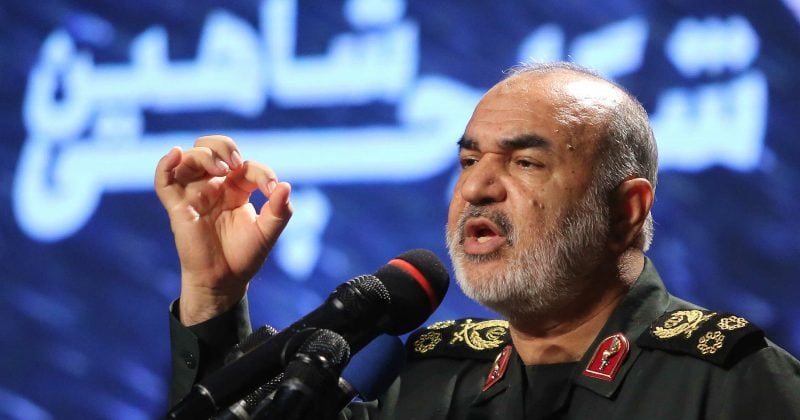
Iran’s Deputy Foreign Minister has announced that Iran plans to retaliate against recent U.S. actions, according to state media. This statement comes amid heightened tensions following U.S. military strikes on over 80 Iranian targets, a move that was itself a response to Iran’s attacks on commercial vessels in the Strait of Hormuz. The backdrop to these developments is the 2026 Iran war, which began earlier this year with joint airstrikes by the U.S. and Israel. The remarks by Iran’s Deputy Foreign Minister suggest a potential escalation in hostilities, further complicating the fragile peace efforts that had been in place during a 60-day ceasefire.
Key Takeaways
- Iran’s indication of retaliation appears to have influenced market perceptions, with pricing suggesting a decreased likelihood of a US-Iran deal in 2026.
- The statement by Iran’s Deputy Foreign Minister could indicate increased tensions, consistent with a scenario where peace negotiations face significant challenges.
- Recent drops in YES pricing across sub-markets reflect the market’s interpretation of heightened risks and potential escalation.
What to Watch
Observers should monitor any further military actions by either the U.S. or Iran, as these could significantly alter the current peace dynamics. Statements from key figures such as U.S. President Donald Trump or Iranian Foreign Minister Javad Zarif could provide additional clarity on the likelihood of a deal. Developments involving mediators from Qatar and Pakistan may also offer insights into potential diplomatic resolutions. Pricing in prediction markets will continue to reflect these unfolding events, with any movement likely indicative of shifts in perceived outcomes.
Get prediction market intelligence as a structured API feed. Early access waitlist.
Disclosure: This article was edited by Estefano Gomez. For more information on how we create and review content, see our Editorial Policy.











 English (US) ·