
 1 hour ago
2
1 hour ago
2
Iran’s army has promised a “decisive response” after US missile strikes killed military personnel in a series of attacks targeting Iranian military infrastructure. The confrontation, centered around the strategically vital Strait of Hormuz, represents a significant escalation that has global markets on edge.
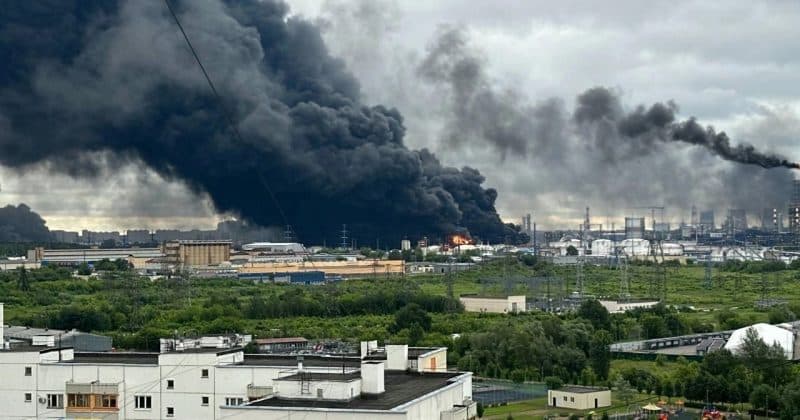
US Central Command launched strikes against approximately 90 Iranian military sites on July 13-14, hitting air defense systems, missile facilities, and coastal installations. At least eight Iranian soldiers were reported killed in the operations, which CENTCOM said were focused on degrading Iran’s ability to threaten maritime safety in one of the world’s most critical shipping corridors.
From ceasefire to full escalation
The current flare-up traces back to the collapse of a temporary ceasefire on July 8. What followed was a rapid deterioration: reported Iranian attacks on commercial shipping triggered the US military response, which in turn prompted Iran’s vow of retaliation.
Retaliatory drone and missile strikes have already targeted US-linked facilities in Kuwait, Bahrain, and Jordan. Commercial tankers navigating the Strait of Hormuz have also come under assault in Iran’s counterattacks.
Roughly 20% of the world’s oil passes through the Strait of Hormuz on any given day. Any sustained disruption to commercial shipping through this waterway has historically sent energy prices sharply higher.
What this means for energy markets and risk assets
Oil prices are the first domino. If sustained military activity around the Strait of Hormuz pushes crude significantly higher, the inflationary implications become relevant for central bank policy. Higher energy costs feeding into broader inflation could delay or reverse rate-cutting cycles in major economies.
Military escalations in the Middle East have historically strengthened the dollar as a safe-haven currency. A stronger dollar typically creates headwinds for Bitcoin and other crypto assets denominated in USD terms.
In previous regional conflicts involving sanctions-heavy regimes, cryptocurrency usage in affected countries has sometimes spiked as individuals seek to move value outside traditional banking channels. Iran itself has a history of Bitcoin mining activity, partly as a mechanism to monetize energy resources under sanctions pressure.
Disclosure: This article was edited by Editorial Team. For more information on how we create and review content, see our Editorial Policy.














 English (US) ·