
 1 hour ago
1
1 hour ago
1
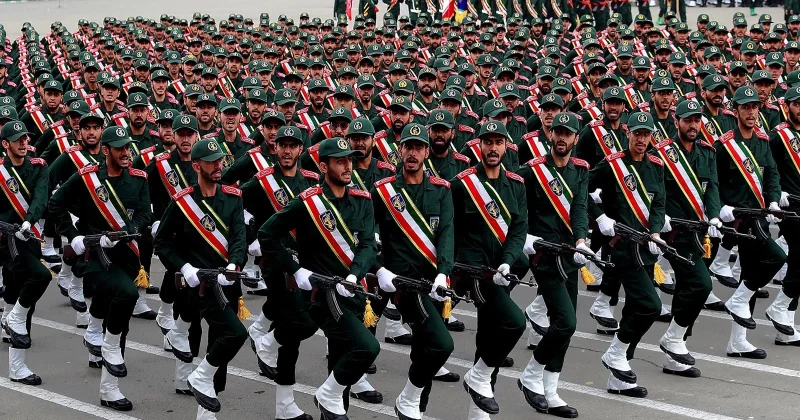
Iran’s Islamic Revolutionary Guard Corps launched an attack on a US airbase on May 27-28, marking a sharp escalation in the military back-and-forth that has defined the Strait of Hormuz crisis for months. The strike came barely 24 hours after US forces hit Iranian missile launch sites in what the Pentagon described as self-defense measures to protect American personnel and commercial shipping in the region.
Then President Trump poured gasoline on the situation. On May 28, he dismissed Iranian state media reports of a draft deal to restore shipping traffic through the Strait, calling the claims a “complete fabrication.” Whatever diplomatic oxygen existed in the room vanished almost instantly.
What happened and why it matters
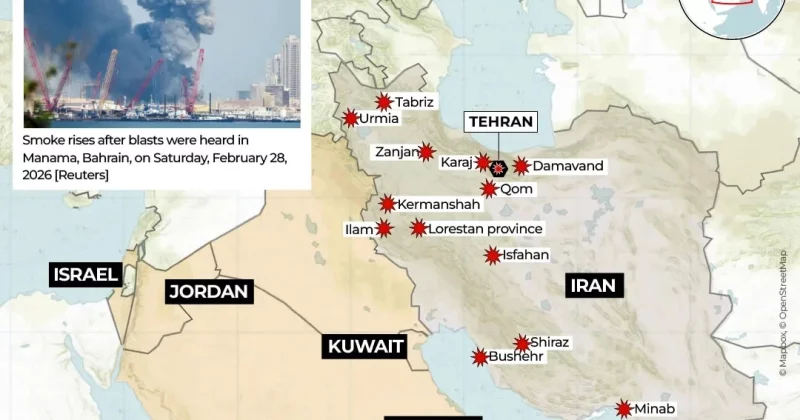
Here’s the timeline. On May 26-27, the US conducted airstrikes targeting Iranian military positions near the Strait of Hormuz. The Pentagon framed these as defensive operations, aimed at neutralizing threats to US forces and the commercial vessels that depend on the waterway for transit. Iran responded with its own strike on a US airbase within roughly a day, an unusually fast retaliation cycle that signals both capability and willingness to escalate.
Iran has imposed closures and restrictions on the Strait at various points since the broader conflict kicked off with US-Israeli strikes in late February 2026. Each closure has triggered rounds of negotiations and, when diplomacy stalls, military responses from the US aimed at forcing the waterway back open.
Trump’s rejection of the reported deal is particularly significant because it eliminates, at least for now, the possibility of a near-term diplomatic off-ramp. Markets had been watching for signs that both sides were willing to negotiate some framework for safe passage.
Oil markets are feeling it, crypto less so
Oil prices have swung violently throughout this conflict, and the latest exchange of strikes is no exception. Each round of military engagement has produced sharp surges in crude prices, while moments of diplomatic optimism have brought prices back down.
Throughout this particular conflict, the “digital gold” narrative has not materialized in any meaningful way. The focus of market participants has remained squarely on traditional commodities, especially oil, rather than crypto. Notably, there were no mentions of crypto assets in the reported incidents, signaling that market participants’ focus remains on traditional commodities amidst geopolitical instability.
What crypto investors should be watching
Sustained oil price volatility feeds directly into inflation expectations. If crude stays elevated or spikes further because the Strait remains contested, central banks face renewed pressure on interest rate decisions. And rate expectations, as every crypto investor learned painfully in 2022 and 2023, are one of the most powerful forces acting on digital asset prices.
Traders should also consider the scenario where diplomacy resurfaces. If a deal to reopen Hormuz shipping lanes materializes despite Trump’s dismissal of the current reports, oil prices would likely drop sharply. That kind of rapid de-escalation tends to be broadly positive for risk assets, crypto included.
Disclosure: This article was edited by Editorial Team. For more information on how we create and review content, see our Editorial Policy.












 English (US) ·