
 1 hour ago
2
1 hour ago
2
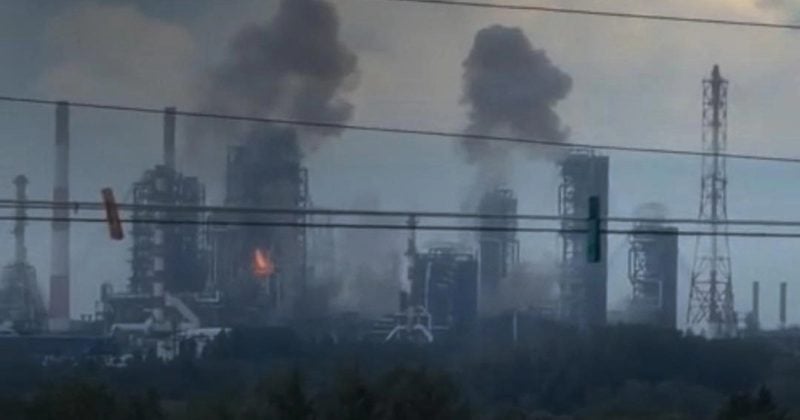
Iranian forces have launched strikes on Sulaymaniyah in northern Iraq, the latest in a campaign of roughly 200 attacks on Kurdistan Region targets since March 2026. The strikes are part of Iran’s broader military operations against Kurdish opposition groups it designates as terrorist organizations, and they come at a peculiar moment: just weeks after the US Treasury sanctioned Iranian crypto exchanges for allegedly helping the IRGC dodge financial restrictions.
What’s happening on the ground
Iran has been hammering Kurdish opposition positions across northern Iraq with drones and missiles for months now. The June 8 strike targeted headquarters belonging to the Democratic Party of Iranian Kurdistan (PDKI) and Komala, two groups that have long been thorns in Tehran’s side.
Since early March, Iran has carried out approximately 200 strikes on Kurdistan Region sites. Earlier attacks during April and May resulted in injuries among members of both PDKI and Komala.
A ceasefire between the US and Iran was established in April 2026. Despite this, Iranian attacks on opposition camps continued right through late May and into June. The ceasefire applied to certain theaters of conflict but apparently not to Tehran’s campaign against Kurdish groups it accuses of hosting anti-Iran activities.
The strikes have hit areas uncomfortably close to civilian settlements, raising concerns about the humanitarian cost of what Iran frames as counterterrorism operations.
The crypto sanctions angle
In early June 2026, the US Treasury announced sanctions against four Iranian digital asset exchanges, accusing them of facilitating sanctions evasion on behalf of Iran’s Islamic Revolutionary Guard Corps.
Iran’s military apparatus needs funding. Sanctions have cut off most conventional banking channels. Digital asset platforms have become one of the remaining pipelines for moving money, converting currencies, and keeping the financial machinery running behind Iran’s military operations. The Treasury’s move to sanction these exchanges is essentially an attempt to cut the financial oxygen supply feeding the same military that’s conducting strikes in Iraq.
Broader geopolitical context
The strikes in Sulaymaniyah are one piece of a much larger puzzle. The 2026 Iran conflict has involved the US, Israel, and various regional proxy forces across multiple theaters. Kurdish opposition groups have operated from bases in northern Iraq for decades, launching political and occasionally military campaigns against Tehran. The scale and frequency of the current campaign is notable: 200 strikes in roughly three months represents a significant escalation from historical norms.
The fragile April ceasefire appears to have created a two-track situation where direct US-Iran hostilities may have paused, but Iran’s regional operations against groups it considers threats continued largely uninterrupted.
What this means for crypto investors
The sanctioning of Iranian crypto exchanges signals that US regulators are increasingly willing to treat digital asset platforms as critical nodes in sanctions enforcement. Exchanges that handle any volume of Middle Eastern transactions should be reviewing their Know Your Customer protocols. When governments connect crypto infrastructure to military funding pipelines, the policy response tends to be broad rather than surgical, raising compliance costs and placing smaller exchanges under existential pressure.
Disclosure: This article was edited by Editorial Team. For more information on how we create and review content, see our Editorial Policy.













 English (US) ·