
 1 month ago
38
1 month ago
38
Iran has signed a 14-point interim memorandum of understanding with the United States, extending an existing ceasefire by 60 days and setting the stage for what both sides hope becomes a permanent settlement. The agreement, signed electronically on June 17, 2026, carries the signatures of President Donald Trump and Iranian President Masoud Pezeshkian. Tehran, however, wants it known that it signed under pressure from regional partners, not out of goodwill toward Washington.
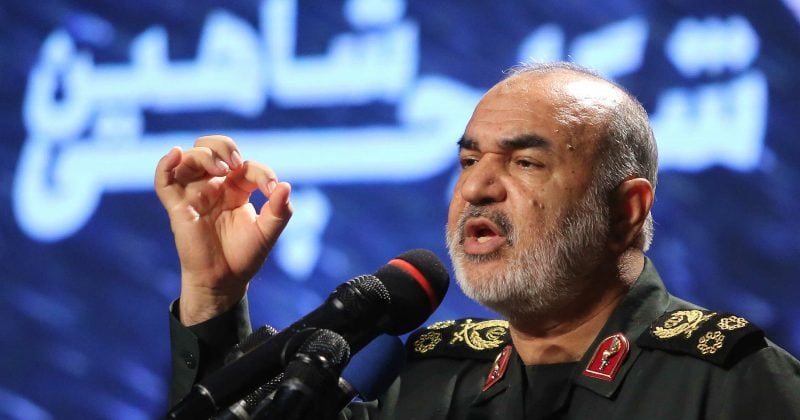
Iran’s defense minister made clear the country entered the deal at the request of regional nations, and that any violation of its terms would be met with a firm response.
What the deal actually says
The MOU is built around 14 specific provisions, with two standing out as immediately consequential for global markets. First, the agreement includes a commitment to reopen the Strait of Hormuz within 30 days of signing. Second, the US agreed to waive certain sanctions on Iranian oil exports as part of the package.
The deal also includes a cessation of operations in Lebanon as one of its key elements, reflecting the broader regional entanglements that have complicated the Iran-US relationship well beyond any bilateral nuclear or sanctions dispute.
Pakistan served as the primary mediator for the agreement, with Qatar involved in preparatory talks.
The MOU extends a ceasefire that was originally established earlier in April 2026, during the broader Iran war. The 60-day extension is meant to create enough runway for negotiators to work toward a permanent settlement, though no timeline for that final agreement has been publicly established.
Markets moved before the ink dried
Oil prices dropped following the announcement, a signal that traders quickly priced in the expectation of improved supply conditions once the Strait of Hormuz reopens.
The waiver on Iranian oil export sanctions adds another layer of complexity. If Iranian crude re-enters global supply chains in meaningful volumes, the sustained downward pressure on oil prices could reshape energy sector dynamics for months.
Why the distrust problem is real and not just rhetoric
Iran’s public posture here is deliberate. By framing the signing as a response to regional pressure rather than bilateral goodwill, Tehran is managing domestic political optics and setting expectations for what happens if the US does not deliver on its commitments.
The 30-day window to reopen the Strait of Hormuz is the earliest measurable test of whether this agreement holds. If that deadline passes without action, market optimism will reverse quickly. Investors watching this situation should treat that 30-day mark as the first real signal of whether the MOU is functioning as intended.
For traders and investors with exposure to energy, shipping, or broader emerging market assets, the next several weeks offer a relatively clear sequence of checkpoints: the Strait of Hormuz reopening timeline, any reports of ceasefire violations, and the pace of sanctions waiver implementation.
Disclosure: This article was edited by Editorial Team. For more information on how we create and review content, see our Editorial Policy.









 English (US) ·