
 2 hours ago
3
2 hours ago
3
Iran captain Alireza Jahanbakhsh posted an emotional apology to fans on June 28, 2026, after Team Melli was officially eliminated from the FIFA World Cup. The tiebreaker math was unkind, and Jahanbakhsh admitted he still hadn’t come to terms with the way things ended.
FIFA’s crypto moment, minus a few flags
The 2026 World Cup marked a milestone for digital assets in mainstream sports. Kraken secured a deal as FIFA’s first Official Crypto Exchange Supporter, planting a major exchange’s brand squarely in front of the world’s largest sporting audience.
Alongside the Kraken partnership, FIFA Collect continued operating as the organization’s platform for digital collectibles, built on Avalanche-powered blockchain technology.
Here’s the thing, though. “Globally” comes with an asterisk. Iran, despite fielding a team in the tournament, had no active fan tokens available. International sanctions made that a non-starter. So while supporters of other nations could buy, trade, and collect digital memorabilia tied to their teams, Iranian fans were left out of an ecosystem designed to deepen engagement.
The geopolitics of fan tokens
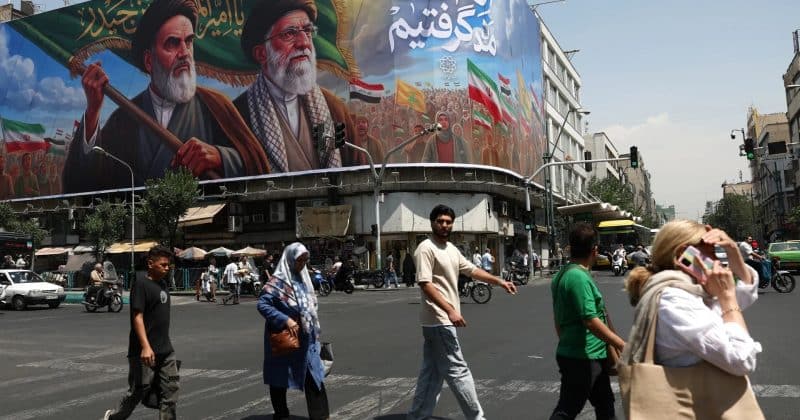
Jahanbakhsh’s apology carried weight beyond the pitch. The Iranian squad faced logistical headwinds throughout the tournament, including visa-related complications that forced the team to train in Seattle before relocating to Tijuana, Mexico.
Fan tokens operate on platforms that must comply with international sanctions regimes. For countries like Iran, that means no Socios-style token launches, no FIFA Collect participation, and no blockchain-powered fan engagement tools.
What this means for the intersection of crypto and sports
Kraken’s FIFA sponsorship is significant for the crypto industry. Becoming the official crypto partner of the world’s most-watched sporting event represents a different tier of mainstream visibility than previous attempts such as Super Bowl ads or stadium naming rights.
The Avalanche ecosystem benefits from its role powering FIFA Collect, giving it a use case with real-world visibility. But the Iran situation is a useful reminder that regulatory barriers don’t disappear just because the technology gets better. Sanctions compliance isn’t a technical problem. It’s a political one, and it creates a two-tier system where some fans get full access to the blockchain-enabled sports experience while others are structurally excluded.
Jahanbakhsh’s apology was about football. But the forces that shaped Iran’s World Cup experience, from visa complications to sanctions-driven exclusion from digital fan ecosystems, tell a broader story about how unevenly the future of sports technology is being distributed.
Disclosure: This article was edited by Editorial Team. For more information on how we create and review content, see our Editorial Policy.




 English (US) ·