
 1 month ago
35
1 month ago
35
Iran’s Supreme Leader Mojtaba Khamenei has officially granted conditional approval for a preliminary agreement with the United States. The deal, described as 95% finalized, would reopen the Strait of Hormuz and end US blockades on Iranian ports in exchange for Iran’s commitment to dispose of its highly enriched uranium stockpile.
Khamenei reportedly approved the deal despite personally disagreeing with its terms. His rationale centered on upholding Iran’s broader national rights.
What the deal actually looks like
On June 11, 2026, US President Donald Trump announced his understanding that Khamenei had given the green light. “I understand the answer is yes,” Trump stated regarding the Supreme Leader’s approval.
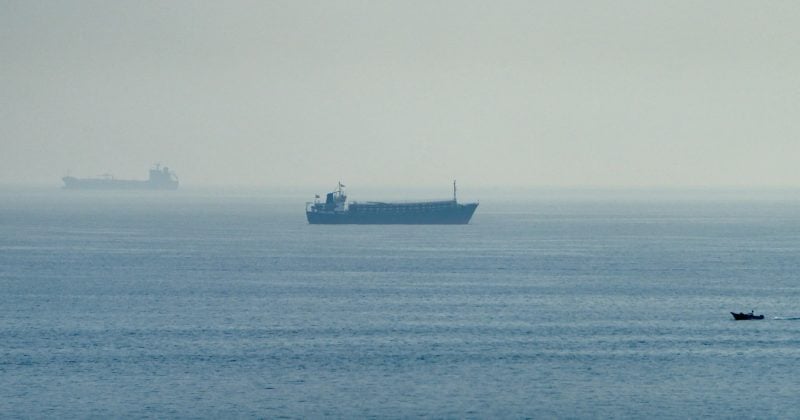
The core framework involves three interlocking commitments. Iran agrees to dispose of its highly enriched uranium. The US lifts its blockade on Iranian ports. And the Strait of Hormuz, through which roughly a fifth of the world’s oil supply passes on any given day, gets reopened.
Indirect talks between the two sides kicked off in April 2025, eventually building toward what both parties now describe as a near-complete agreement. A potential signing date has been set for June 19, 2026, in Switzerland, though that timeline hinges on Iran’s compliance with demands established by its Supreme National Security Council.
Iranian reports confirm that all of Khamenei’s red lines have been incorporated into the draft agreement, which was assembled under the supervision of the Supreme National Security Council.
The complicated backdrop
Mojtaba Khamenei, the second son of late Ayatollah Ali Khamenei, ascended to the role of Supreme Leader early in 2026 following the death of his father. Khamenei was sanctioned by the US in 2019 for his role in supporting the IRGC-Quds Force and Basij activities.
What this means for investors
The most immediate market impact runs through energy. The Strait of Hormuz is the single most important oil transit chokepoint on the planet, and its status directly influences global crude pricing. A reopened strait, combined with the lifting of US port blockades, would ease supply constraints that have been baked into energy markets for months.
For crypto markets specifically, this deal doesn’t involve any digital assets or blockchain-related components. Any restructuring of US sanctions on Iran could set precedents for how sanctions interact with financial systems more broadly, including crypto-related enforcement mechanisms that the Treasury Department has been refining in recent years.
The June 19 date in Switzerland is the next catalyst. If both parties show up and sign, markets will need to price in a fundamentally different risk environment in the Middle East.
Disclosure: This article was edited by Editorial Team. For more information on how we create and review content, see our Editorial Policy.











 English (US) ·