
 5 hours ago
2
5 hours ago
2
by Estefano Gomez · Just now ago
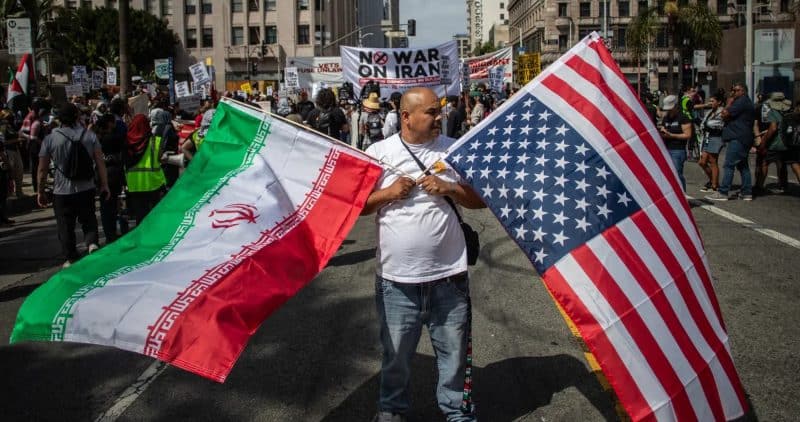
Iran dismissed reports of rejecting US negotiations in Pakistan. Ceasefire by April 7 is now at 1% YES, down from 12% a week ago.
This rejection has hit the US-Iran ceasefire markets. The April 7 deadline has plunged to 1% YES from 12% in just a week. The April 15 market is at 6% YES, showing skepticism about a diplomatic breakthrough. Traders expect prolonged conflict, with the April 30 market at 18% YES and the May 31 market at 36% YES, suggesting resolution is likely further out.
Volume at $431,402 across all sub-markets, with most liquidity on later dates. The April 7 market is thin, needing just $12,352 to shift odds by five points, making it vulnerable to large trades. The April 15 market requires $40,093 for the same move, indicating a thicker order book.
Iran’s rejection of US demands, especially on nuclear site dismantlement and the Strait of Hormuz, suggests peace is distant. The April 7 and April 15 markets are betting against a near-term ceasefire. At 1¢, a YES share for April 7 would pay $1 if resolved, a 100x return. But few believe in a diplomatic turnaround within four days.
Watch for shifts to new mediation venues like Doha or Istanbul. Any movement from CENTCOM or a new intermediary could change the trajectory. The next key indicator will be any public statement from Secretary of State Rubio or Secretary of Defense Hegseth.
Markets Impacted
- US x Iran ceasefire by April 7? — currently 1.1% YES
- US x Iran ceasefire by April 15? — currently 6.5% YES
- US x Iran ceasefire by April 30? — currently 17.5% YES
- US x Iran ceasefire by May 31? — currently 36.5% YES
- US x Iran ceasefire by June 30? — currently 51.5% YES
- US x Iran ceasefire by December 31? — currently 68.5% YES
Get prediction market intelligence as a structured API feed. Early access waitlist.
Disclosure: This article was edited by Estefano Gomez. For more information, see our Editorial Policy.













 English (US) ·