
 1 hour ago
3
1 hour ago
3
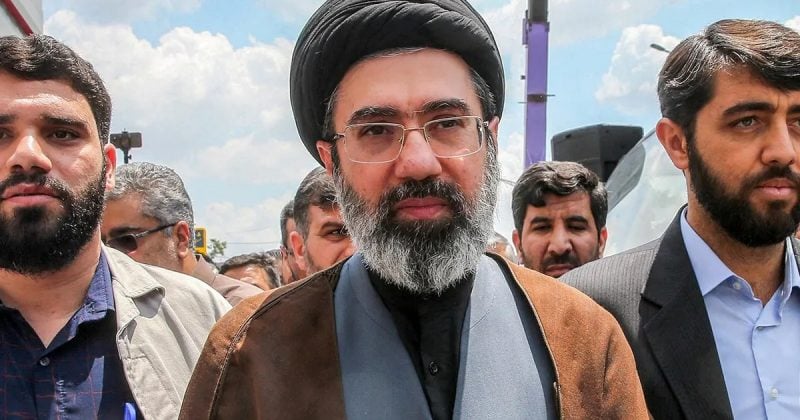
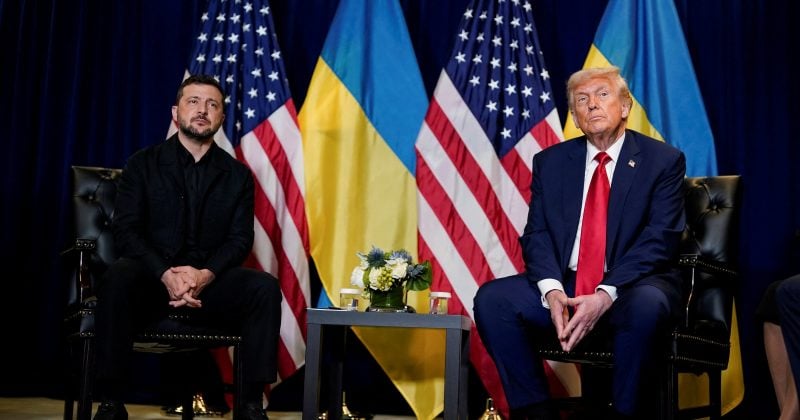
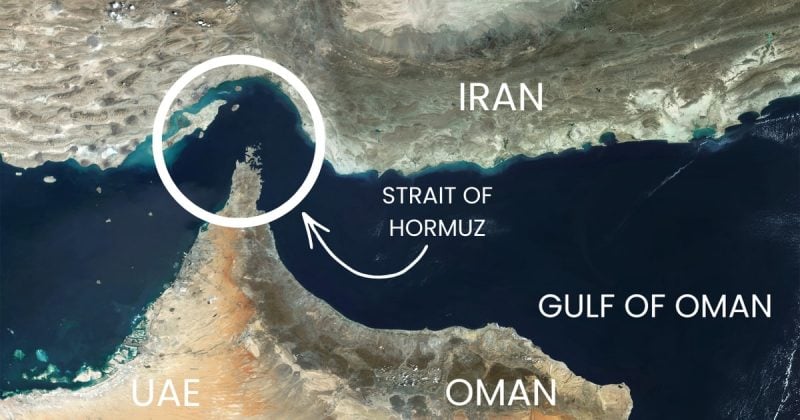
In a significant diplomatic development, Iranian negotiator Mohammad Baqer Qalibaf announced that Iran has ceased engaging in unilateral deals, stating that “reality is knocking.” This announcement follows the collapse of the 60-day ceasefire between the United States and Iran, mediated by Pakistan under the Islamabad Memorandum. The ceasefire officially ended on July 8, 2026, after President Donald Trump declared it over amid renewed hostilities. Qalibaf’s statement is seen as a rejection of the terms of the interim deal, including those concerning the Strait of Hormuz and nuclear negotiations. This shift suggests a return to unilateral military and diplomatic strategies by Iran rather than further concessions to the U.S.
Key Takeaways
- Qalibaf’s declaration appears to indicate a hardening stance from Iran, which could affect ongoing negotiations with the U.S.
- Market pricing suggests decreased optimism for a potential U.S.-Iran deal in 2026, with significant declines in YES probabilities across related prediction markets.
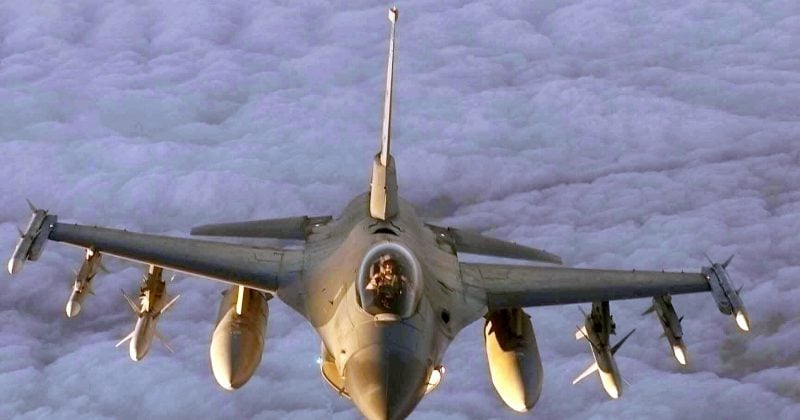
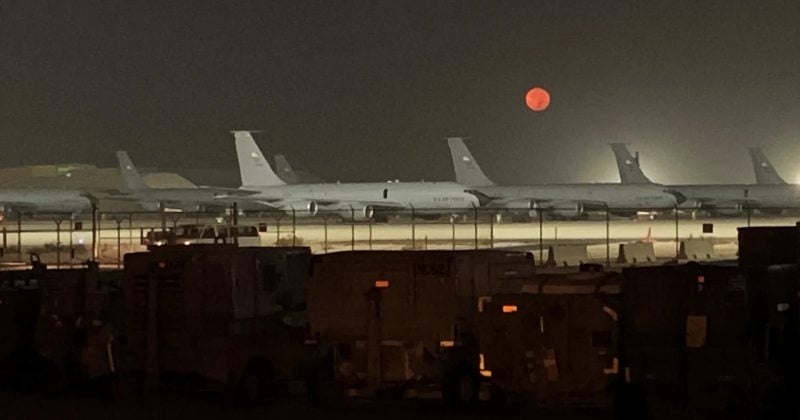
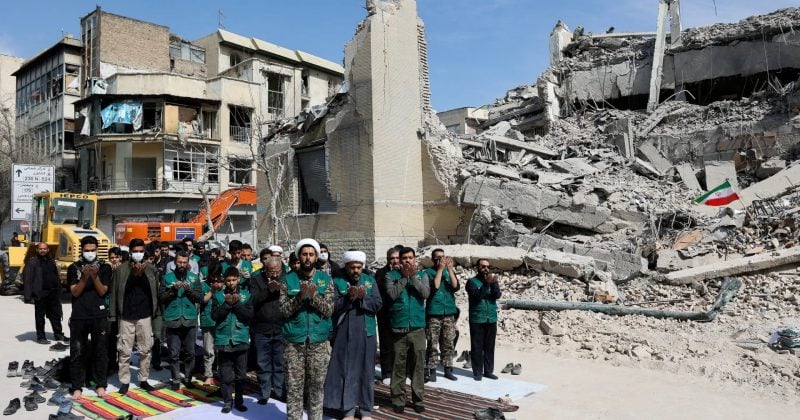
- The collapse of the Islamabad Memorandum ceasefire has led to renewed military tensions, complicating diplomatic efforts.
What to Watch
Observers will be closely monitoring any further military actions by either side, especially potential new strikes by Israel or increased enrichment activities by Iran. The response from U.S. negotiators, including any announcements from President Trump or U.S. Chief Negotiator Mike Vance, will be crucial in determining the future of U.S.-Iran relations. Developments consistent with resuming negotiations, such as statements from mediators from Qatar and Pakistan, could influence market perceptions of a possible deal.
Get live prediction-market analysis, powered by Vera. Sign up for Vera.
Disclosure: This article was edited by Estefano Gomez. For more information on how we create and review content, see our Editorial Policy.








 English (US) ·