
 1 month ago
24
1 month ago
24
Iran’s largest crypto exchange, Nobitex, is facing fresh scrutiny after Reuters reported that two brothers from Iran’s influential Kharrazi family founded the platform under an alternative surname.
Summary
- Reuters said Nobitex was founded by brothers from a powerful political family under another surname.
- Nobitex denied state links while investigators cited transactions tied to sanctioned Iranian entities and users.
- Crypto withdrawals from Nobitex rose sharply after Tehran strikes, though analysts differed on the cause.
The report comes as blockchain data shows rising crypto movements from Iran during conflict-related stress. Nobitex has denied government links and said it does not assist state bodies.
Ali and Mohammad Kharrazi founded Nobitex in 2018 using the surname Aghamir. The report said the brothers are part of a powerful Iranian family with deep political and clerical ties.
Nobitex has grown into Iran’s largest crypto exchange. Reuters reported that the platform claims 11 million users and handles an estimated 70% of Iran’s crypto transactions.
Exchange denies state connection
Reuters said blockchain records and interviews pointed to transactions linked to sanctioned Iranian entities, including the central bank and the Islamic Revolutionary Guard Corps. The report said Nobitex has become part of a parallel financial system used outside normal banking channels.
Nobitex rejected the claims of direct state links. The company told Reuters it is a “private and independent business” and said it had no relationship or contract with the IRGC, Iran’s central bank, or other government bodies.
Moreover, the report adds to long-running concerns about crypto use in sanctioned economies. Reuters cited blockchain analysis and investigators who said Nobitex has helped move funds beyond Western financial controls.
Crystal Intelligence executive Nick Smart told Reuters that Nobitex creates a difficult compliance issue because normal Iranian users and state-linked activity may share the same platform. He said it is “hard to separate the regime from the people.”
Outflows rose after Tehran strikes
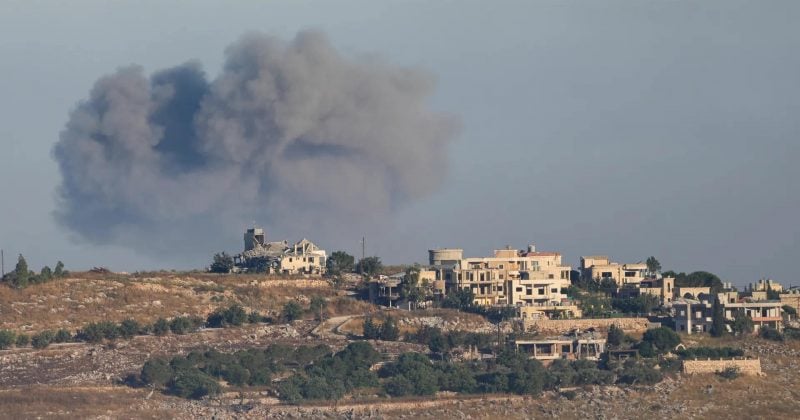
The scrutiny also follows a sharp rise in Iranian crypto withdrawals after U.S. and Israeli airstrikes on Tehran. Crypto.news reported that Nobitex withdrawals jumped more than 700% within minutes of the strikes.
Elliptic data showed users withdrew more than $500,000 shortly after the first strikes. The figure later reached nearly $3 million between February 28 and March 1.
Crypto.news also cited Elliptic as saying Nobitex lets users convert rials into crypto and withdraw funds to outside wallets. That process can help users move money abroad when banking routes remain limited.
TRM Labs gave a more cautious view. It said the activity may have reflected lower transaction volume caused by internet blackouts, not only capital flight. Iran’s internet connectivity fell about 99% after the strikes began.











 English (US) ·