
 1 hour ago
2
1 hour ago
2
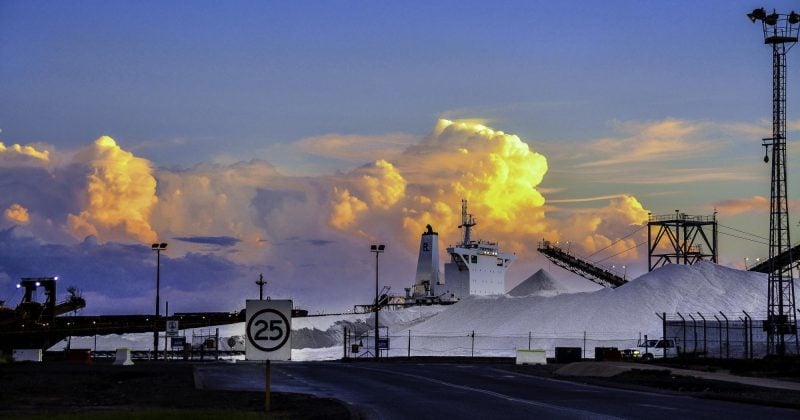
The ongoing conflict in Iran has led to a significant increase in investments in U.S. liquefied natural gas (LNG) export infrastructure, according to S&P Global, as reported by Bloomberg Markets. The war, which began with hostilities from the United States and Israel against Iran earlier this year, has disrupted vital energy supply routes, notably through the Strait of Hormuz. This disruption has prompted a shift in global energy strategies, with Asian and European buyers increasingly turning to U.S. LNG to ensure long-term supply security. The closure of the Strait and the shutdown of Qatar’s Ras Laffan LNG facility have exacerbated the global energy shortage, further driving the demand for U.S. exports.
Key Takeaways
- Increased investment in U.S. LNG appears to be a direct response to the ongoing conflict in Iran, suggesting continued supply disruptions.
- The closure of the Strait of Hormuz, a critical passage for global gas supplies, aligns with scenarios where normalization by August 31 is less likely.
- Market pricing suggests a decreasing likelihood of traffic normalization in the Strait, as indicated by the drop in YES pricing to 11.5%.
What to Watch
Markets are closely monitoring developments in the Iran conflict, particularly any diplomatic efforts or military escalations that could affect the Strait of Hormuz’s status. An official announcement from Iran or international diplomatic breakthroughs could alter current market expectations. Conversely, further military actions or reaffirmations of the strait’s closure by Iranian authorities would likely reinforce current pricing trends. As the August 31 deadline approaches, these developments will be crucial in determining the market’s direction.
Get live prediction-market analysis, powered by Vera. Sign up for Vera.
Disclosure: This article was edited by Estefano Gomez. For more information on how we create and review content, see our Editorial Policy.












 English (US) ·