
 1 month ago
31
1 month ago
31
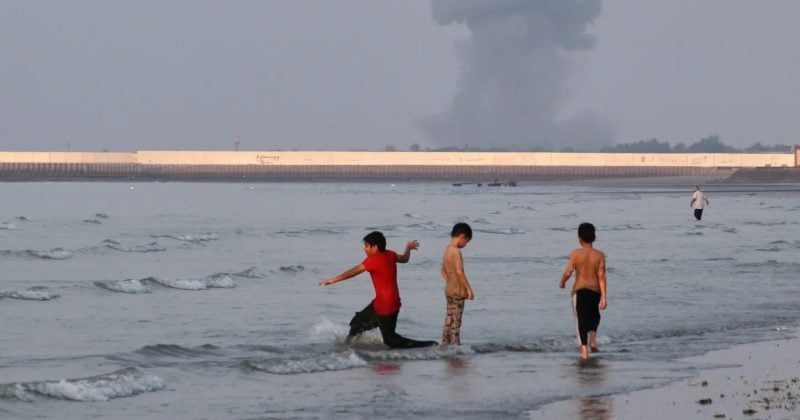
Iran shut down the Strait of Hormuz to commercial traffic on June 20-21, 2026, timing the move to coincide with the start of high-level US-Iran negotiations in Switzerland. Roughly 20% of global oil traffic passes through that narrow waterway.
The talks kicked off June 21 at the Bürgenstock resort in Switzerland, with Vice President JD Vance leading the US delegation. Iran’s Islamic Revolutionary Guard Corps announced the closure, and oil prices responded exactly the way you’d expect: up.
What’s happening at the table
Vance was joined by special envoy Steve Witkoff and Jared Kushner. Iran’s delegation included Foreign Minister Abbas Araghchi and Parliament Speaker Mohammad Bagher Ghalibaf, with Pakistan and Qatar serving as mediators between the two sides.
The agenda covers four major items: preventing conflict escalation in Lebanon, nuclear deal negotiations, enforcement of an interim Memorandum of Understanding, and the operational status of the Strait of Hormuz itself. US officials reportedly stressed the importance of keeping maritime access open.
Iran’s rationale for the closure traces back to recent Israeli military activities in southern Lebanon, which Tehran claims violated an interim ceasefire agreement. The fragile arrangement had been reached to de-escalate hostilities that persisted for months.
Why the Strait of Hormuz matters beyond oil
The strait sits between Iran and Oman, connecting the Persian Gulf to the Gulf of Oman and the broader Arabian Sea. Every major oil-producing Gulf state, including Saudi Arabia, Iraq, Kuwait, and the UAE, depends on this passage to get crude to market.
Oil prices climbed following the announcement, though the full market impact depends on how long the closure lasts.
What this means for crypto investors
No cryptocurrency or digital asset topics came up during the negotiations. The early reports suggest the atmosphere is “fraught,” with progress varying “considerably from session to session.”
Disclosure: This article was edited by Editorial Team. For more information on how we create and review content, see our Editorial Policy.






 English (US) ·