
 1 hour ago
1
1 hour ago
1
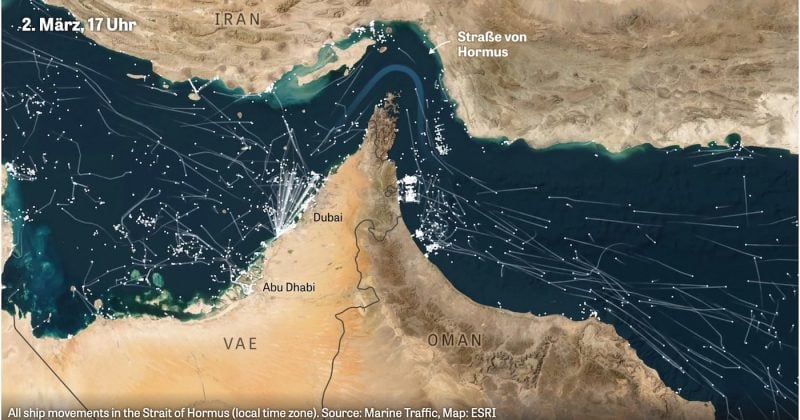
Iran’s recent attack on a cargo ship in the Strait of Hormuz underscores its assertion of authority over this critical maritime passage. The incident, part of the ongoing 2026 Iran War, highlights the fragile ceasefire between Iran, the United States, and Israel. Despite the ceasefire, Iran continues to target vessels, using its Revolutionary Guard forces to maintain a blockade. This move intensifies the geopolitical tension in the region, with potential implications for international shipping and military responses.
Key Takeaways
- The attack on the cargo ship suggests increased Iranian efforts to assert control over the Strait of Hormuz, challenging international shipping norms.
- Market pricing indicates a decreased likelihood of traffic normalization in the Strait by July 15, reflecting ongoing tensions.
- The potential for the UK and other countries to deploy warships to the region appears more likely, as indicated by market movements.
What to Watch
Key developments to monitor include any official announcements from the UK or other countries regarding naval deployments to the Strait of Hormuz. Additionally, any statements from Iranian authorities or military movements could further influence market perceptions of traffic normalization by mid-July. The upcoming negotiations in Pakistan may also provide insights into potential resolutions or escalations in the region.
Get prediction market intelligence as a structured API feed. Early access waitlist.
Disclosure: This article was edited by Estefano Gomez. For more information on how we create and review content, see our Editorial Policy.












 English (US) ·