
 1 hour ago
2
1 hour ago
2
The United States and Iran sat down in Oman to discuss security in the Strait of Hormuz, the narrow waterway that functions as the world’s most important oil chokepoint. The first meeting of the Joint Hormuz Committee took place in Muscat around June 29, with Oman playing its familiar role as the region’s go-to mediator.
Here’s why this matters beyond the oil market: roughly 20% of global oil shipments, about 20 million barrels per day, squeeze through this corridor. When tensions flare there, the ripple effects hit everything from crude futures to Bitcoin.
What happened in Muscat
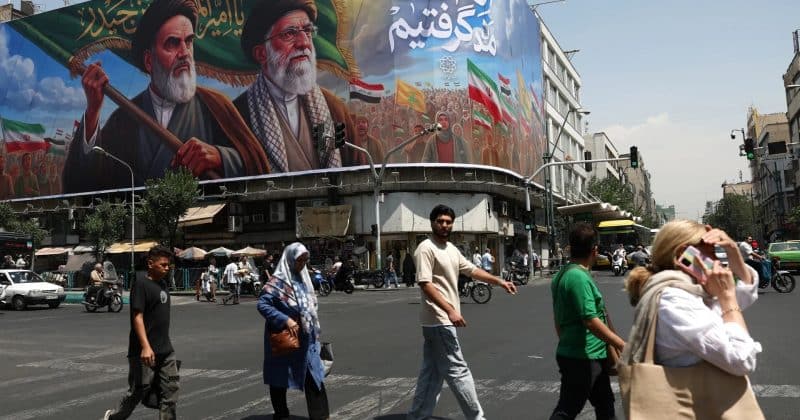
The talks brought together Iranian officials, including Deputy Foreign Minister Kazem Gharibabadi, under a framework agreement centered on safe navigation and coordination between Iran and Oman. Iran’s Foreign Minister Abbas Araghchi has publicly emphasized commitments to facilitating free navigation in accordance with international law.
The negotiations hint at further discussions aimed at solidifying maritime security arrangements without heavy external military involvement, particularly from the US.
The oil-to-crypto pipeline
The Strait of Hormuz is the single most important bottleneck in global energy infrastructure. Reports indicate that Hormuz-related news has directly impacted intraday movements in Bitcoin and equity markets throughout 2026. A headline about military posturing near the strait can send Bitcoin down 3% before most people finish their morning coffee.
Positive signals from negotiations, like the ones emerging from Muscat, tend to calm oil supply concerns. Calmer oil markets mean less inflationary pressure, which means more room for risk-on positioning. Crypto traders have been monitoring these diplomatic developments the same way they watch Fed minutes, because the downstream effects are just as potent.
What crypto investors should actually watch
Token holders should pay attention to the cadence of future meetings. A second round of Joint Hormuz Committee talks, if scheduled, would signal genuine momentum. The 20 million barrels per day flowing through that waterway represent a single point of failure for the global economy, and if talks break down or a provocative incident undermines the diplomatic process, the sell-off in risk assets could be swift.
Disclosure: This article was edited by Editorial Team. For more information on how we create and review content, see our Editorial Policy.











 English (US) ·