
 1 hour ago
2
1 hour ago
2
India has ordered shipowners, ship managers, and recruitment companies to stop deploying Indian seafarers on vessels transiting the Strait of Hormuz. The directive from India’s Directorate General of Shipping comes as renewed fighting in the Gulf region turns one of the world’s most important maritime corridors into something closer to a no-go zone.
Here’s why this matters beyond the shipping industry: the Strait of Hormuz handles roughly a fifth of the world’s traded oil. When the third-largest supplier of merchant sailors on the planet says “we’re not sending our people through there,” it’s not just a labor issue. It’s a signal that the situation has deteriorated past the point of manageable risk.
The chokepoint gets choked
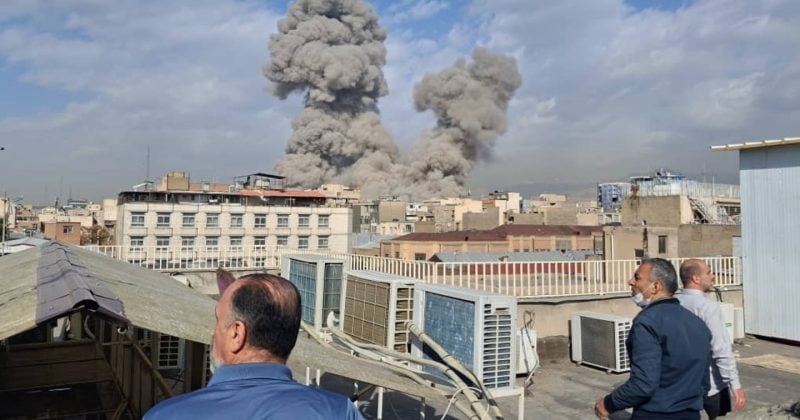
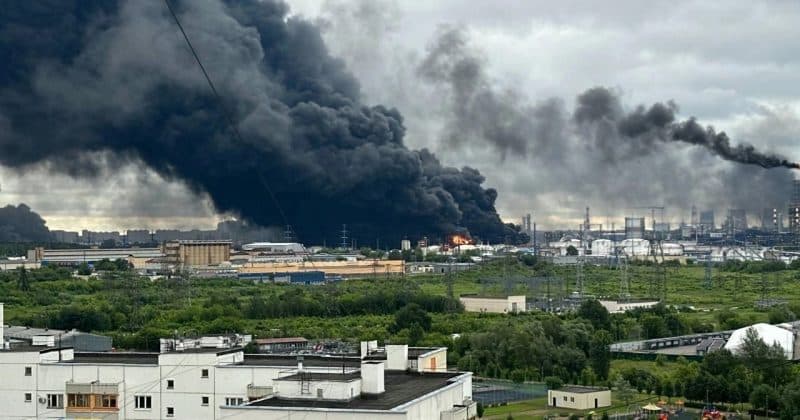
India contributes an estimated 10-12% of the global seafaring workforce, with more than 300,000 Indian sailors operating across international shipping fleets. Iran has largely blocked shipping traffic through the Strait of Hormuz since late February 2026, amid ongoing US-Israel military strikes in the region. The blockade has already stranded more than 22 Indian-registered vessels near the strait, and there have been reported casualties among Indian seafarers due to strikes in the area.
The DG Shipping directive isn’t entirely new territory. India had previously modified restrictions on Indian-flagged vessels operating in the Gulf region, allowing passage if security protocols were maintained. The latest order effectively reverses that flexibility, at least for crew deployment.
Energy markets and the ripple effect
The Strait of Hormuz is the narrow waterway between Iran and Oman through which tankers carry oil from Saudi Arabia, Iraq, Kuwait, and the UAE to the rest of the world. The crew shortage adds a layer of friction that’s harder to model. Shipping companies already dealing with higher insurance premiums for Gulf transit now face the additional headache of finding non-Indian crews willing to make the trip.
What crypto investors should watch
The first thing to monitor is oil prices. If crude sustains a meaningful rally on Hormuz supply fears, watch for hawkish signals from the Federal Reserve and other central banks. Rate cut expectations getting pushed back has been one of the most reliable headwinds for crypto in recent cycles.
Second, keep an eye on the dollar. Geopolitical uncertainty tends to strengthen the US dollar as a safe haven, and a stronger dollar has historically applied downward pressure on Bitcoin prices. The DXY index is worth watching as a leading indicator of how traditional markets are pricing the Gulf risk.
Third, and this is the contrarian case, a prolonged Hormuz blockade could accelerate conversations about alternative settlement systems and trade finance outside the dollar-denominated framework. Iran itself has been a notable actor in this space, using digital assets to circumvent financial restrictions.
The wild card is duration. A temporary disruption gets priced in and forgotten. A sustained blockade of a waterway carrying 20% of the world’s oil trade is a different beast entirely. India just told us, in the most concrete way possible, which scenario they’re preparing for.
Disclosure: This article was edited by Editorial Team. For more information on how we create and review content, see our Editorial Policy.













 English (US) ·