
 1 hour ago
2
1 hour ago
2
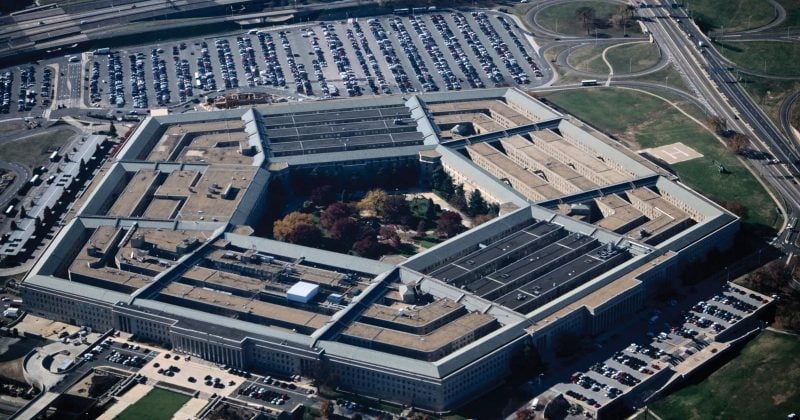
House Republicans dropped a $95 billion budget resolution on July 15 that channels fresh money toward Pentagon operations tied to the Iran conflict, agricultural aid, and stricter voter registration rules. The crypto industry, which has been courting Washington with increasing intensity, was notably absent from the 47-page document.
The resolution is a sequel to the sweeping tax and spending bill President Donald Trump signed into law in 2025. The $95 billion comes with zero offsets. No spending cuts elsewhere, no new revenue sources. Just new spending on top of existing obligations.
What’s actually in the bill
The money breaks into three buckets. The largest chunk goes to supplementing Pentagon funding for ongoing Iran-related military operations, which have driven multi-hundred-billion-dollar increases in defense budgets through mid-2026. Farm aid makes up a second tranche, a political necessity for Republican members representing agricultural districts. The third piece involves federal voter registration mandates, specifically proof-of-citizenship requirements.
That voter ID component connects to the SAVE America Act, which already cleared the House but has stalled in the Senate. Rolling it into a budget resolution is a procedural play to keep the issue alive without needing the 60-vote threshold that standalone legislation would require.
Where crypto fits (or doesn’t)
Just two days before this resolution dropped, on July 13, President Trump publicly urged the Senate to advance crypto-friendly legislation. None of that showed up in this budget resolution. Not a single reference to digital assets, blockchain, stablecoins, or any crypto-adjacent technology.
A budget resolution can move through Congress via reconciliation, requiring only a simple majority in the Senate. If crypto provisions had been tucked into this package, they could have bypassed the filibuster. Instead, digital asset bills will need to find their own path, likely requiring broader bipartisan cooperation.
Market implications for crypto investors
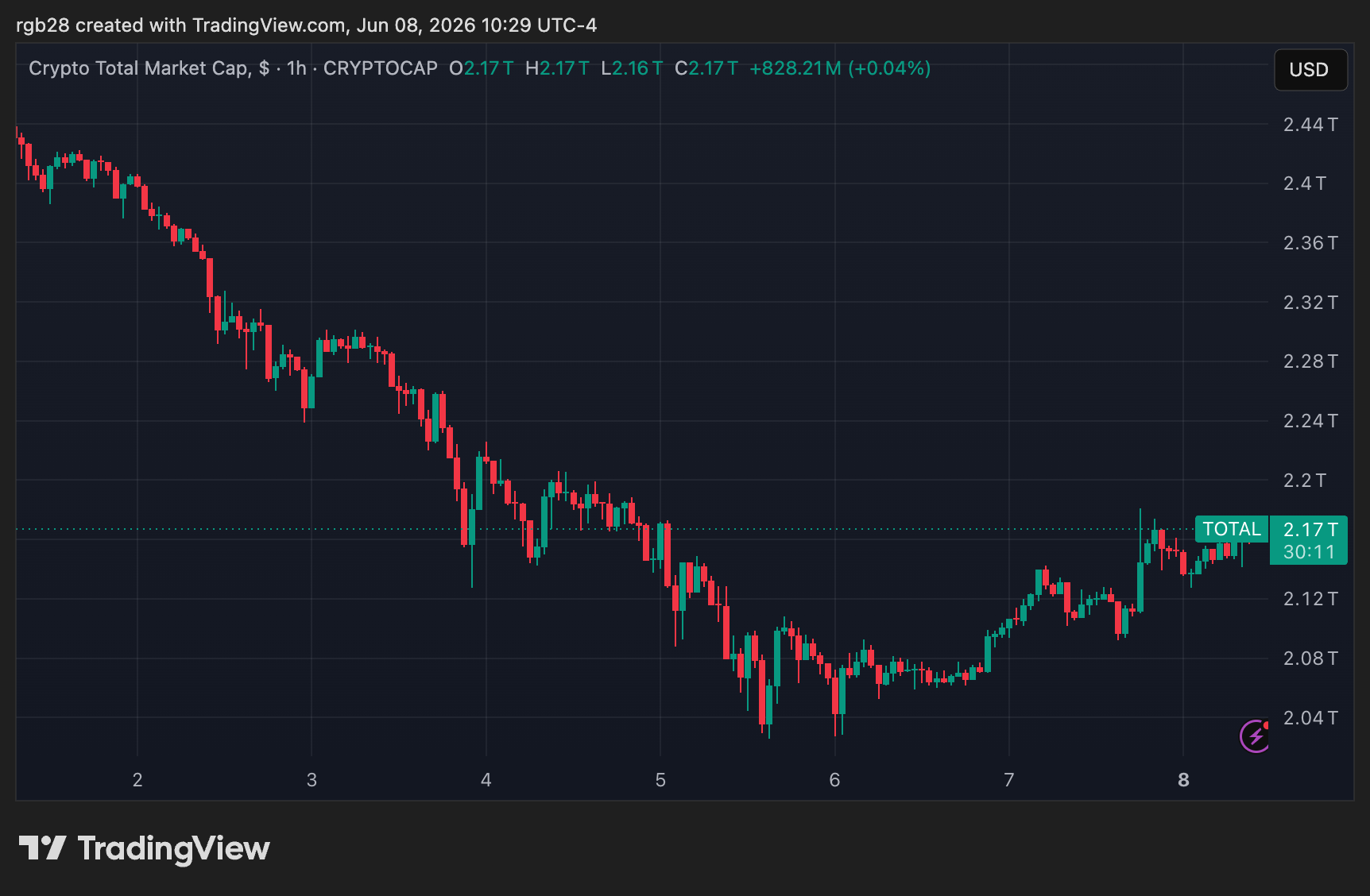
$95 billion in unfunded spending puts additional pressure on an already stretched federal balance sheet. More Treasury issuance can push yields higher, and higher yields generally create a less favorable environment for risk assets, crypto included.
The more actionable signal for crypto investors is Trump’s July 13 push for Senate action on digital asset legislation. Stablecoin legislation alone could unlock institutional capital flows that dwarf the indirect effects of defense spending on Treasury yields.
For now, crypto sits in legislative limbo: rhetorical support from the White House, procedural momentum in the House, and a Senate that hasn’t committed to a timeline.
Disclosure: This article was edited by Editorial Team. For more information on how we create and review content, see our Editorial Policy.













 English (US) ·