
 1 hour ago
2
1 hour ago
2
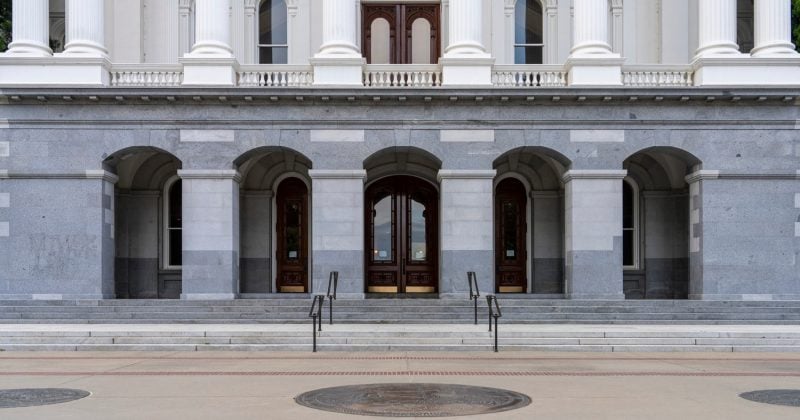
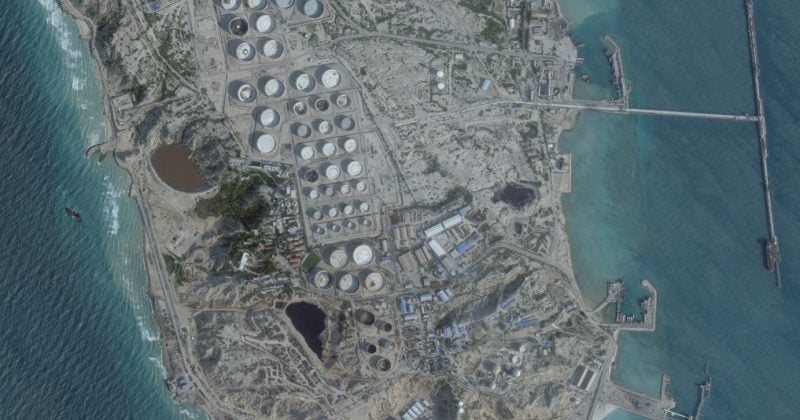
US House Republicans have advanced a significant funding plan supporting President Trump’s initiatives, including a $95 billion budget aimed at escalating military engagement in Iran and implementing strict voter registration measures ahead of the upcoming midterm elections. The funding proposal allocates approximately $73 billion to military operations in Iran, which have intensified following the collapse of a fragile ceasefire between the two nations. This development arrives amid a backdrop of ongoing military tensions and daily strikes exchanged between U.S. and Iranian forces.
The move has significant implications for ongoing diplomatic efforts, as market indicators reflect a decrease in the likelihood of a US-Iran deal that includes reconstruction funding. Recent market data shows a decline in the probability of such an agreement, with the odds for Iran reconstruction funding being part of a deal in 2026 dropping to 26.5% from a previous 38% a week ago. This shift suggests that market participants view the current escalations as reducing the chances of a near-term diplomatic resolution.
The proposed budget comes in the wake of a previous request by the White House for over $200 billion, highlighting the ongoing debate within the U.S. government regarding defense spending and fiscal priorities. House Republicans’ push for this funding underscores their support for Trump’s aggressive stance on Iran, despite concerns over rising deficits.
Key Takeaways
- The advancement of a $95 billion budget by House Republicans appears consistent with increased military engagement in Iran, impacting diplomatic prospects.
- Market pricing suggests a lower likelihood of Iran reconstruction funding being included in a US-Iran deal in 2026, as the probability has decreased to 26.5%.
- The proposed funding reflects a significant escalation in U.S. defense spending, with implications for broader geopolitical dynamics in the Gulf region.
What to Watch
Observers should monitor any developments in U.S.-Iran relations, especially military actions or diplomatic overtures that could shift current market perceptions. Key actors include President Trump and Iran’s Foreign Minister, Javad Zarif, whose negotiations or statements could influence market expectations. Additionally, any legislative responses or modifications to the funding plan by the U.S. Congress could alter the current trajectory of military and diplomatic engagements with Iran. The evolving situation will likely continue to impact market views on the potential for a comprehensive US-Iran deal in 2026.
Get live prediction-market analysis, powered by Vera. Sign up for Vera.
Disclosure: This article was edited by Estefano Gomez. For more information on how we create and review content, see our Editorial Policy.












 English (US) ·