
 1 month ago
33
1 month ago
33
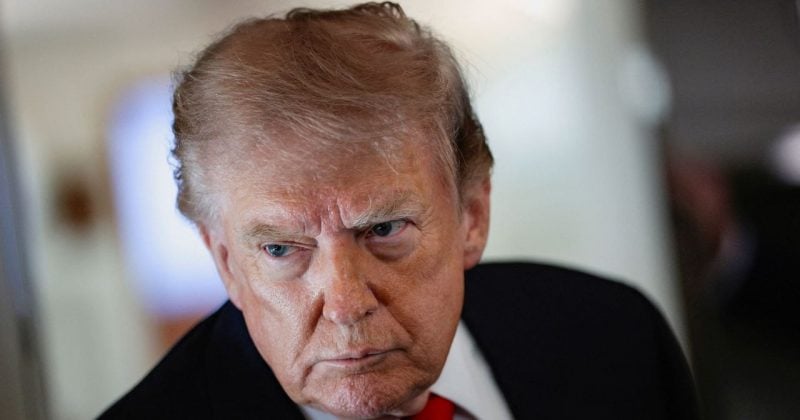
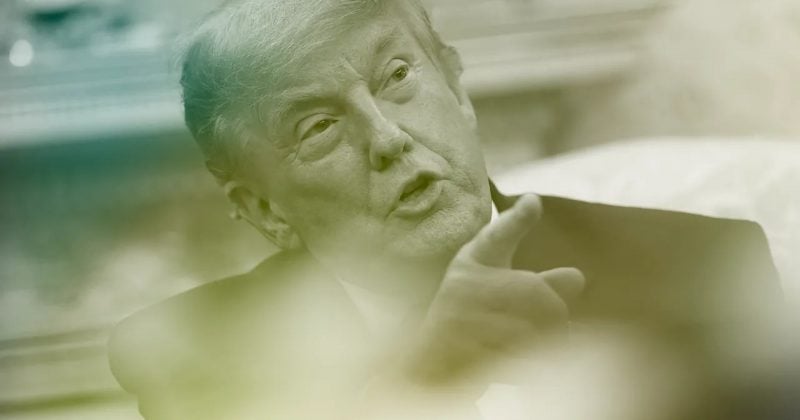
Dr. Mike Evans, the evangelical leader behind the Friends of Zion Heritage Center in Jerusalem, announced he plans to bring the question of Somaliland’s international recognition directly to Donald Trump. The declaration came during an award ceremony at the Heritage Center on June 16, where Somaliland President Abdirahman Mohamed Abdillahi received the Friends of Zion Award.
“It’s time to bless all states that bless Israel,” Evans said, framing the recognition push as a natural extension of the alliance between Israel and the self-declared nation on the Horn of Africa.
A 35-year quest for statehood meets geopolitical opportunity
Somaliland declared independence from Somalia in 1991. In the decades since, it has operated as a de facto sovereign state with its own government, currency, and military, but without the formal recognition from the United Nations or most major powers that would make it a full member of the international community.
That started to shift when Israel recognized Somaliland around late 2025. Somaliland subsequently opened an embassy in Jerusalem, a move that deepened ties between the two and set the stage for the ceremony where Evans made his announcement.
The logic Evans is pitching to Trump isn’t purely sentimental. Somaliland sits along the southern coast of the Gulf of Aden, directly across from Yemen, giving it a position along one of the world’s most strategically vital maritime corridors. Beyond geography, Somaliland has signaled a willingness to offer the US access to mineral resources and potential military basing rights in exchange for recognition.
The political calculus
Evans is not a government official. He’s a private citizen and evangelical leader with a long track record of pro-Israel advocacy and personal ties to multiple US presidents. His ability to secure a meeting with Trump on this topic is plausible but far from guaranteed to produce policy results.
But recognition of Somaliland carries risks. Somalia’s federal government in Mogadishu considers Somaliland part of its sovereign territory. Formal US recognition could destabilize an already fragile region and complicate relationships with other African nations and international bodies.
Disclosure: This article was edited by Editorial Team. For more information on how we create and review content, see our Editorial Policy.








 English (US) ·