
 2 hours ago
3
2 hours ago
3
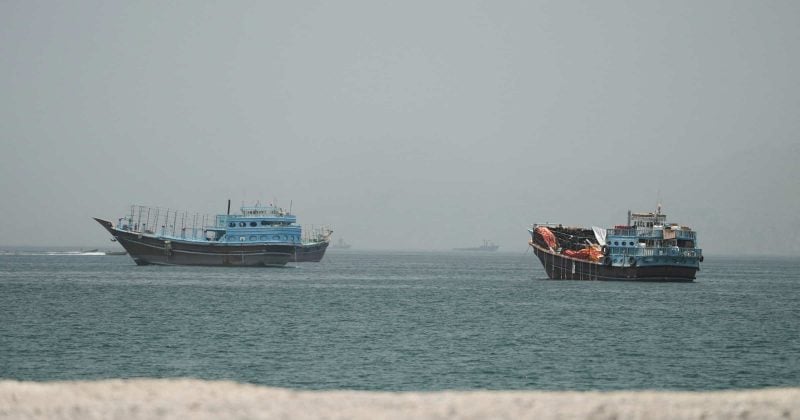
The French navy intercepted and boarded the oil tanker Deliver near Sicily on June 25, deploying commandos from helicopters to take control of the vessel. French President Emmanuel Macron confirmed the operation, which represents the fifth time French forces have boarded a suspected Russian shadow fleet tanker since September 2025.
This latest boarding came less than a month after French forces, with UK support, intercepted another tanker called the Tagor in the Atlantic on June 1. That operation demonstrated cross-border coordination between Western naval powers.
Russia has described the French boardings as acts bordering on “international piracy.” France has framed each boarding as legally sound, arguing the operations take place in international waters and target vessels that fail to comply with environmental regulations and sanctions requirements.
What the shadow fleet actually is
Russia’s shadow fleet consists of over 600 mostly aging vessels dedicated to moving sanctioned crude oil to willing buyers around the world. These vessels are often decades old, poorly maintained, and operating without the kind of insurance coverage that legitimate tankers carry. If one of these aging tankers suffers a hull breach or runs aground, the environmental cleanup bill lands on whoever’s coastline gets hit, with no insurer to cover the damage.
By targeting vessels that lack proper environmental compliance and insurance documentation, France threads the needle between sanctions enforcement and internationally recognized maritime safety law, giving the operations a framework that’s harder for Russia to challenge at the International Maritime Organization.
Analysts note that the sheer scale of the operation — hundreds of vessels spread across multiple oceans — means that intercepting a handful of tankers amounts to swatting individual mosquitoes while the swarm continues buzzing. The shadow fleet continues to function, moving Russian crude to buyers in Asia and elsewhere.
Disclosure: This article was edited by Editorial Team. For more information on how we create and review content, see our Editorial Policy.











 English (US) ·