
 1 month ago
23
1 month ago
23
The Federal Reserve kept its powder dry on June 17, voting unanimously to hold the federal funds rate at 3.50%-3.75%. The real story, though, was buried in the dot plot, where a clear majority of officials signaled they expect rates to go up, not down, before the year is over.
The median projection for the federal funds rate at year-end 2026 jumped to 3.8%, up from 3.4% in the March Summary of Economic Projections. Nine of 18 FOMC members now see rates climbing higher by December, a sharp reversal from the easing bias that dominated much of 2025.
The dot plot debate and Warsh’s silent protest
The 12-0 vote to hold rates steady was the easy part. The scatter of individual projections showed officials pulling in different directions, with some still clinging to the possibility of cuts while the majority leaned toward at least one more hike.
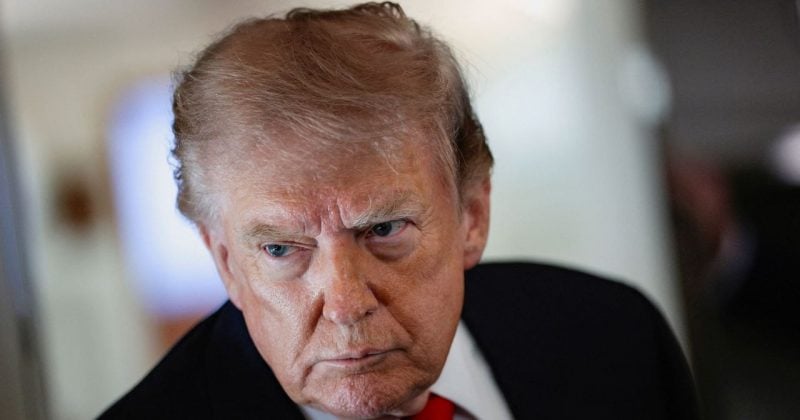
And then there’s Kevin Warsh, chairing his first FOMC meeting. Warsh has been a vocal skeptic of forward guidance for years, arguing that telegraphing rate moves too far in advance boxes the Fed into corners it doesn’t need to be in. He put that philosophy into practice by declining to submit his own dot projection.
Inflation anxiety is nearly unanimous
Perhaps the most striking data point from the meeting: 17 of 18 FOMC officials flagged inflation risks as tilted to the upside.
The last change to the federal funds rate was a cut in December 2025. Since then, the committee has been in wait-and-see mode, holding steady while watching economic data roll in.
Markets had already started adjusting before the announcement. Roughly 50 basis points of rate hikes were priced in for 2026 ahead of the meeting. The dot plot largely confirmed what futures traders had been positioning for, though the inflation risk language added an extra layer of caution.
What this means for crypto and risk assets
Higher interest rates make risk-free assets like Treasury bonds more attractive relative to speculative investments. When the federal funds rate sits at 3.50%-3.75% and the median projection suggests it could drift toward 3.8% or beyond, the opportunity cost of holding non-yielding assets like Bitcoin goes up.
Bitcoin has been hovering below $65,000, and a sustained higher-rate environment creates persistent headwinds. When you can earn nearly 4% parking cash in government bonds, the hurdle rate for taking on crypto volatility gets meaningfully higher.
If 17 of 18 Fed officials are worried about prices running hot, quantitative easing or any form of balance sheet expansion is firmly off the table.
The December 2025 rate cut is looking increasingly like a one-off rather than the start of a cycle. DeFi protocols offering staking yields will need to compete not just with each other, but with a federal funds rate that the Fed itself expects to push higher.
Disclosure: This article was edited by Editorial Team. For more information on how we create and review content, see our Editorial Policy.







 English (US) ·