
 1 hour ago
3
1 hour ago
3
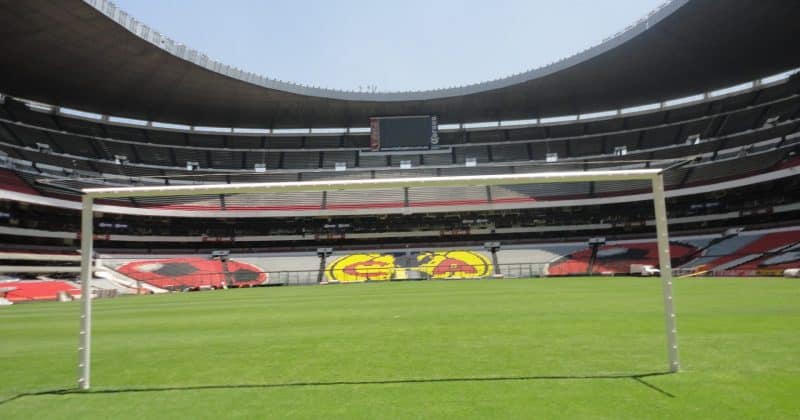
The 2026 FIFA World Cup opens its Group G slate on June 15 with Belgium facing Egypt at Lumen Field in Seattle. But the real story for crypto isn’t on the pitch. It’s in the infrastructure surrounding the tournament, where blockchain technology has quietly secured a level of integration that would have seemed absurd four years ago.
Kraken was named the official crypto exchange supporter of the World Cup on June 9, 2026. Chainlink is powering the tournament’s first-ever official prediction markets. And FIFA’s digital collectibles program runs on Avalanche.
Fan tokens, prediction markets, and the $BELG experiment
Belgium launched its own fan token, $BELG, in early June 2026. The initial release put 2 million tokens into circulation at $1.00 each, featuring a burn mechanism tied to team performance.
In English: when Belgium wins (or hits certain milestones), some tokens get permanently destroyed, reducing supply. Basic supply-and-demand economics suggests that’s designed to create upward price pressure for holders, assuming demand stays constant or grows.
Egypt does not have a comparable national team token in the crypto ecosystem.
ADI PredictStreet, powered by Chainlink’s oracle infrastructure, represents FIFA’s first official foray into on-chain prediction markets. Tournament-wide volumes across all 104 matches are estimated to approach $2 billion.
For context, prediction market volumes during the 2022 World Cup in Qatar were a fraction of that figure, mostly concentrated on platforms like Polymarket that had no official FIFA relationship.
The infrastructure layer: Kraken, Chainlink, and Avalanche
Kraken’s role as official crypto exchange supporter gives it activation rights across North American and European fan bases.
Chainlink’s oracle integration for prediction markets solves a specific technical problem: getting real-world match results onto the blockchain in a verifiable, tamper-resistant way. Without reliable oracles, prediction markets are just trust exercises.
Avalanche’s role powering FIFA’s digital collectibles builds on a relationship that has been developing since FIFA explored the NFT space in prior tournament cycles. The choice of Avalanche’s Layer-1 blockchain over competitors like Ethereum or Solana reflects FIFA’s apparent preference for a network that offers lower transaction fees and faster finality, both critical when millions of casual fans are minting collectibles simultaneously.
FIFA has also previously considered launching a native FIFA token, though that initiative has not materialized into a live product as of the tournament’s opening.
What this means for investors
The $BELG token’s burn mechanism is clever marketing, but a 2 million token supply at $1.00 each means the total initial market cap is just $2 million. That’s tiny enough for a few whales to move the price dramatically in either direction.
Prediction market volumes could also disappoint if regulatory authorities in key jurisdictions push back mid-tournament. And digital collectibles, despite running on solid infrastructure, still carry the baggage of the NFT market’s 2022-2023 implosion in public perception.
Disclosure: This article was edited by Editorial Team. For more information on how we create and review content, see our Editorial Policy.










 English (US) ·