
 1 month ago
47
1 month ago
47
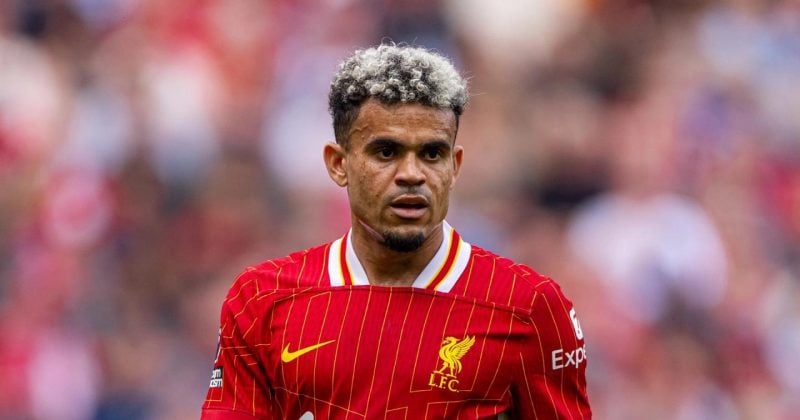
FIFA decided to wipe away a red card suspension for US striker Folarin Balogun just days before the US played Belgium in the 2026 World Cup round of 16. Belgium won the match 4-1 anyway, but the controversy isn’t going anywhere.
Belgian Foreign Minister Maxime Prévot didn’t mince words, saying that everyone must respect the same rules. His broader point: if external forces influenced FIFA’s disciplinary process, that’s not just bad optics. It’s a fundamental breach of sporting integrity.
What actually happened
Balogun picked up a straight red card in the 64th minute during the US team’s 2-0 round-of-32 victory over Bosnia and Herzegovina on July 1, 2026. Under normal circumstances, a direct red card triggers an automatic one-match suspension. That would have sidelined Balogun for the round-of-16 clash against Belgium on July 6.
Instead, FIFA’s Disciplinary Committee invoked Article 27 of its Disciplinary Code, suspending the ban under a one-year probationary period. In English: Balogun got the football equivalent of a warning instead of actual punishment. He was free to play against Belgium.
The Royal Belgian Football Association didn’t take this quietly. The RBFA formally challenged FIFA’s ruling, arguing it flatly contradicted established regulations on red-card suspensions. FIFA’s response was procedural and blunt: the challenge was deemed “inadmissible” because Belgium wasn’t technically a party to the disciplinary proceedings and therefore lacked standing to appeal.
The political dimension
Here’s where things get genuinely interesting, and genuinely uncomfortable for FIFA. Speculation quickly emerged that the decision may not have been made in a vacuum. Reports circulated suggesting that US President Donald Trump may have placed a call to FIFA President Gianni Infantino before the ruling was handed down.
Prévot was careful but pointed in his public remarks. He stated that if the decision was influenced by external calls, it would represent a clear violation of sports rules.
The controversy drew attention from UEFA as well, though the European football governing body’s exact response remains measured.
The rules question
At the heart of this controversy is something every sports fan instinctively understands: rules should apply equally to everyone. A red card suspension isn’t optional. It’s automatic, designed to be mechanical precisely so that discretion, bias, and outside influence can’t creep in.
Article 27 of FIFA’s Disciplinary Code does technically allow for probationary suspensions. But invoking it for a straight red card in a knockout-stage World Cup match is, to put it mildly, unusual. Probationary periods are typically reserved for less severe infractions where the committee sees mitigating circumstances.
Belgium’s frustration is compounded by the procedural brick wall they hit. Being told your appeal is inadmissible because you lack standing, when the ruling directly affects your upcoming opponent’s squad availability, feels like a catch-22 designed by committee.
What this means for the broader landscape
Belgium won the match 4-1, which makes the on-pitch impact somewhat moot. Balogun played and the US still lost convincingly. But the principle matters far more than the scoreline.
Prévot’s intervention is notable because it came from a foreign minister, not a sports official. That’s a signal that Belgium views this as transcending football governance. When diplomatic figures start commenting on red card decisions, the issue has crossed a threshold that FIFA would prefer to keep uncrossed.
Disclosure: This article was edited by Editorial Team. For more information on how we create and review content, see our Editorial Policy.











 English (US) ·