
 1 hour ago
1
1 hour ago
1
Buterin expects Hegotá to be the last ordinary fork. After it comes recursive STARKs, automated formal verification and quantum-safe design. One of the co-founders of Ethereum, Vitalik Buterin, has outlined how Ethereum could change after the Hegota fork, arguing that the network is moving toward a “cryptographic world computer” rather than remaining a conventional blockchain. His roadmap would change how Ethereum verifies transactions, handles computation, and uses its decentralized network, with zero-knowledge proofs taking a much larger role by 2030. What Changes After Hegotá Buterin started by comparing Ethereum’s future with the way early blockchains worked. In Bitcoin’s original model, every participant downloaded a block, checked it, and re-executed its transactions, and Ethereum still works broadly along those lines, but the developer sees that changing as the network adopts more advanced cryptography. By 2030, he expects verification to move toward PeerDAS, where participants can check samples of the data, combined with SNARKs, which let the network verify that a large amount of computation was done correctly without repeating all of it. The same shift is already visible i...
Related

Spectra Finance launches fixed-term markets for deJTRSY on S...
8 minutes ago
0

Ondo Perps adds spot trading for 12 tokenized stocks and ETF...
9 minutes ago
0

Aptos Foundation partners with Daya and HashKey MENA to buil...
9 minutes ago
0

Tether says it helped freeze $550M in Iran-linked USDT
10 minutes ago
0
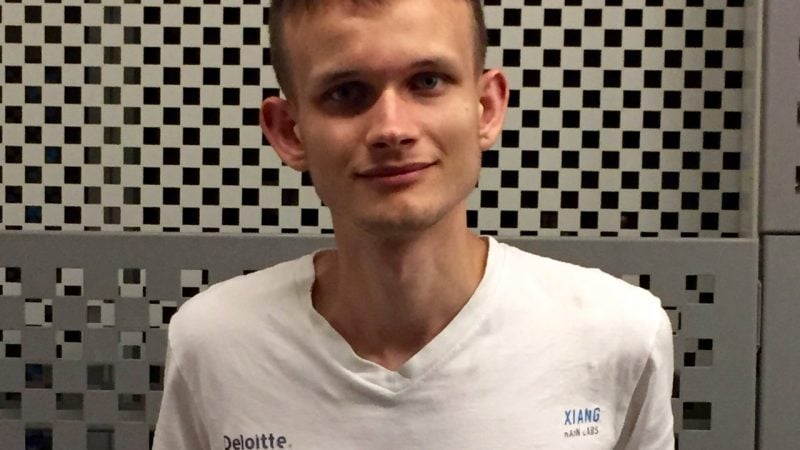
Vitalik Buterin unveils plan for Ethereum as ‘cryptographic ...
13 minutes ago
0

Russia lets crypto exchanges apply October 5 – but even Bitc...
16 minutes ago
0
Bitcoin’s (BTC) Still in a Bull Market, But a Correction Cou...
21 minutes ago
0

Chainlink hits 2026 high of $14.89 as small holders cash out...
26 minutes ago
0
Popular

Starknet shields 45 assets with new privacy framework
2 weeks ago
89



SpaceX returns to $2T valuation after IPO volatility
3 weeks ago
39
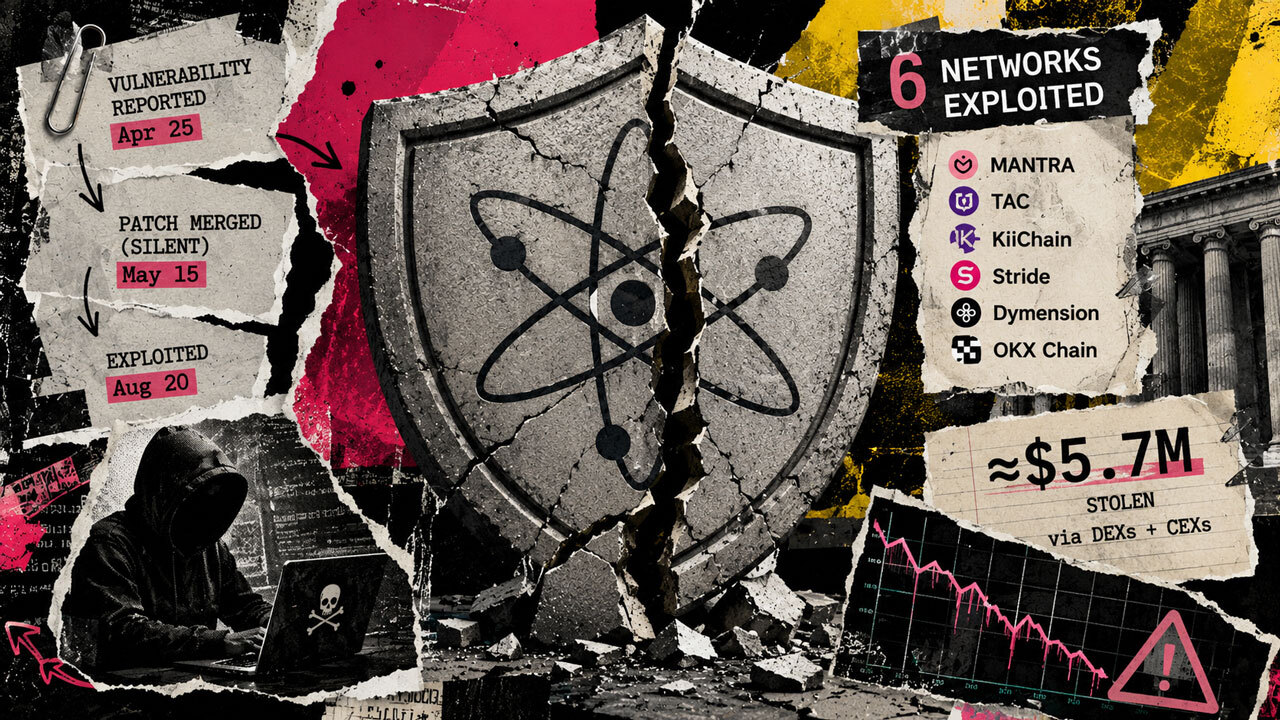


Stablecoins could enter M1 or M2, Fed study says
3 weeks ago
38

 English (US) ·
 © Clint's Cryto News 2026. All rights are reserved
